
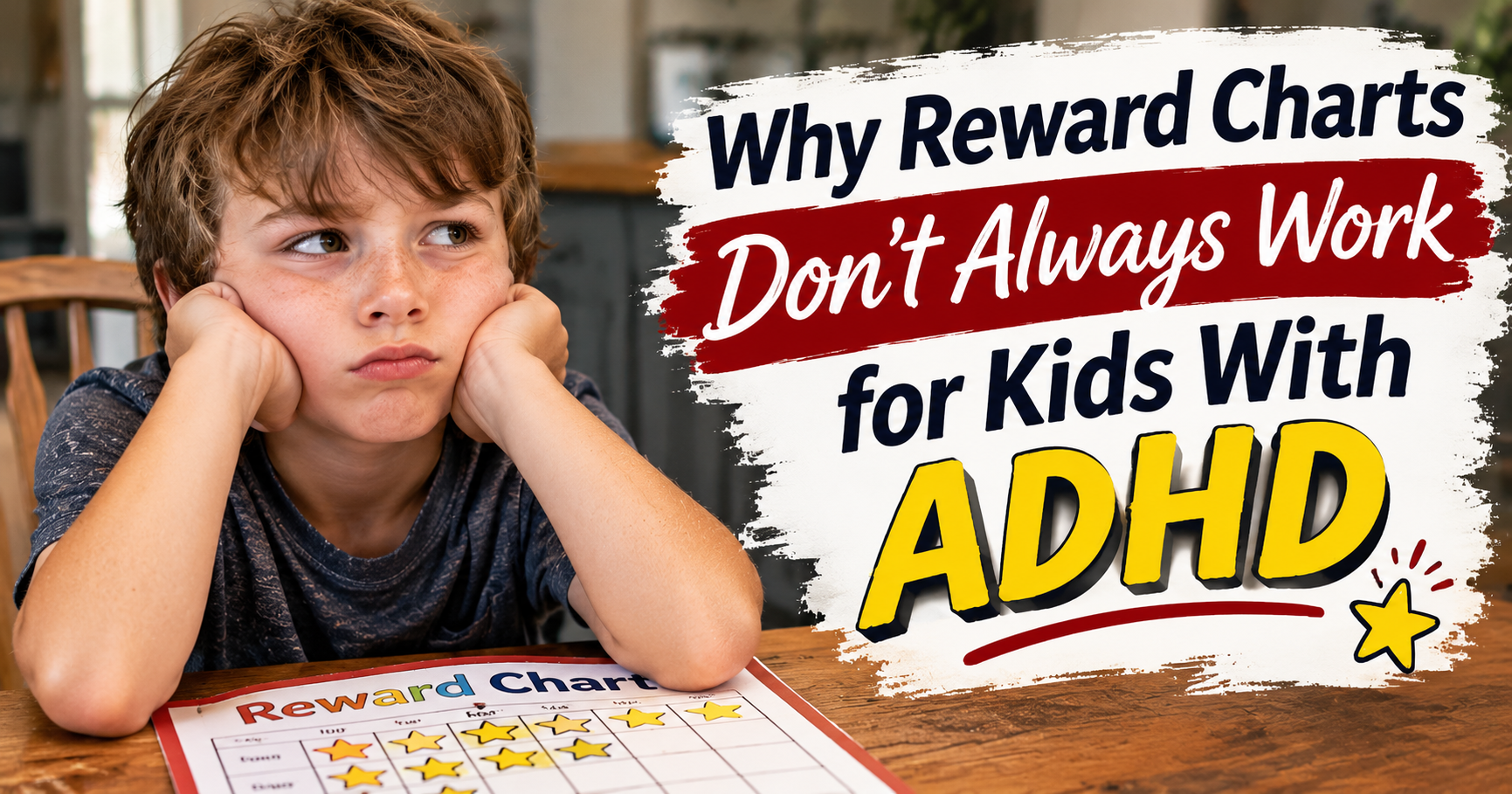
Reward charts sound like such a good idea when you’re raising a child with ADHD. Pick a behavior, hand out a few stickers, promise something fun at the end of the week, and hopefully your child starts remembering what they’re supposed to do.
Then reality kicks in.
Your child is excited about the chart for the first day or two. Maybe they even ask when they can earn their next sticker. But before long, the excitement wears off, you’re reminding them about the same things again, and that colorful chart on the refrigerator isn’t accomplishing much.
If your ADHD child’s reward chart isn’t working, there may be a good reason.
My wife and I are raising a 7-year-old son with significant ADHD challenges. He struggles with focus, forgetfulness, emotional regulation, and everyday expectations. Even with medication and ongoing treatment from his mental health doctor, those difficulties are still very real.
I also grew up with ADHD, although mine is much better managed today. My wife has milder ADHD herself, so attention and forgetfulness are things we’re familiar with from more than one perspective.
And as parents, we know that getting through everyday routines isn’t always as simple as explaining the rules and expecting them to stick.
Reward charts can help children with ADHD, but the way they’re designed matters. A system that’s too complicated, takes too long to pay off, or expects too much can quickly become another frustrating part of family life.

Why Don’t Reward Charts Always Work for Kids With ADHD?
The first thing to understand is that children with ADHD aren’t necessarily less interested in rewards.
In fact, many respond well to positive reinforcement.
The challenge is that some children with ADHD have difficulty staying motivated by rewards that are delayed, uncertain, or too difficult to earn.
According to CHADD, children with ADHD may benefit from rewards that are given promptly and consistently, especially when they’re learning new behaviors.
That means the traditional “be good all week and get something special on Saturday” approach may not be the best starting point.
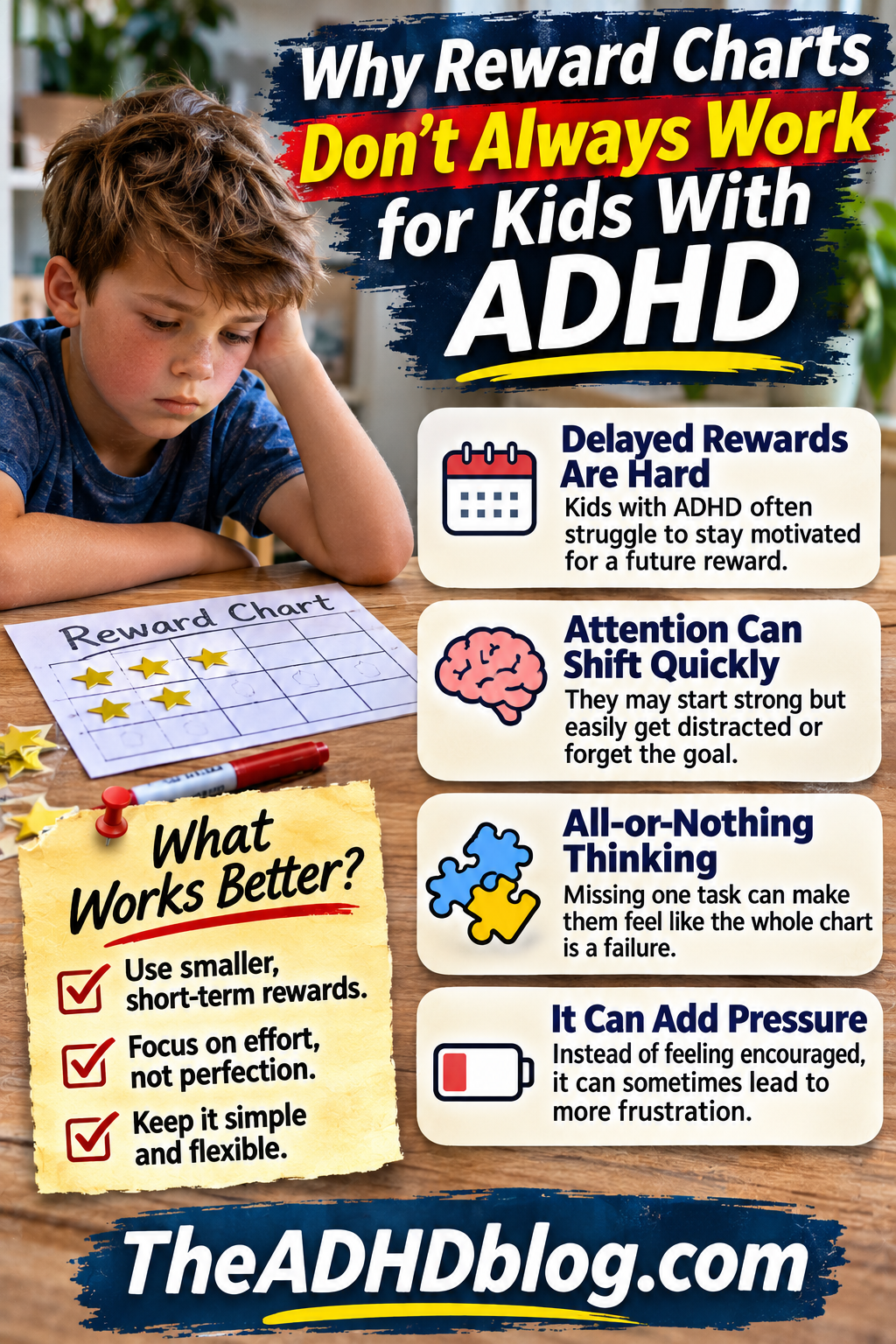
The Reward Might Be Too Far Away
Imagine you’re seven years old.
Your parents tell you that if you remember your backpack, finish your homework, clean your room, and behave appropriately for five school days, you’ll earn a special outing over the weekend.
That sounds exciting at first.
But by Tuesday afternoon, the reward seems far away.
You’ve already forgotten to bring something home from school, and the chart is missing a couple of stickers.
Now you’re wondering whether there’s any point in trying.
For a child who struggles with motivation, working memory, and frustration, that type of system can become discouraging.
The child may understand what the reward is but have difficulty connecting today’s effort with something happening several days later.
There Might Be Too Many Rules
Parents often create reward charts because several things need improvement.
Maybe their child forgets chores, struggles with homework, interrupts conversations, and gets upset when something doesn’t go their way.
So naturally, all those behaviors end up on the same chart.
The problem is that the chart can become overwhelming.
Instead of learning one manageable skill, the child is now trying to remember an entire list of expectations.
And when ADHD already makes following instructions difficult, that can work against the purpose of the system.

Are Reward Charts Actually Good for Children With ADHD?
Yes, reward charts can be useful when they’re part of a supportive behavior-management approach.
The CDC includes praise and rewards among its recommended strategies for parents of children with ADHD.
But that doesn’t mean every reward chart is equally effective.
A reward system should help a child recognize successful behavior, practice useful skills, and experience encouragement.
It shouldn’t become a daily reminder of everything they’re doing wrong.
Positive Reinforcement Is Different From Bribing
Parents sometimes worry that rewarding children for ordinary behavior is the same as bribing them.
But there’s an important difference.
A planned reward system establishes expectations before the behavior happens.
For example:
“When you put your shoes in their spot after school, you earn a star.”
The expectation is clear, achievable, and discussed beforehand.
Bribing often happens when a parent is already dealing with difficult behavior and offers something on the spot to make it stop.
For example:
“If you stop screaming right now, I’ll buy you a new toy.”
That response may accidentally encourage the same pattern in the future.
Positive reinforcement works best when parents decide in advance which appropriate behaviors they want to encourage.
Rewards Don’t Have to Cost Money
One mistake parents can make is assuming every reward needs to be something expensive.
It doesn’t.
Children may enjoy earning things like:
- Choosing the family movie.
- Picking a game to play together.
- Having extra time for a favorite activity.
- Choosing a special family activity.
- Earning a sticker or token toward a larger reward.
- Getting one-on-one time doing something they enjoy with Mom or Dad.
The important part is finding something the child actually values.
A reward that’s exciting to one child might mean absolutely nothing to another.
The Biggest Mistake Parents Make With ADHD Reward Charts
I think one of the easiest mistakes is rewarding an outcome that requires several difficult skills instead of rewarding a small behavior the child can actually control.
Consider a chart that says:
Have a good day at school.
What exactly does that mean?
Does it mean no interruptions?
Finishing every assignment?
Remembering every instruction?
Never getting frustrated?
That’s a pretty big expectation for a seven-year-old, especially one with significant ADHD symptoms.
Make the Goal Something You Can See
A clearer goal might be:
“Put your backpack on its hook after school.”
Or:
“Begin homework after the first reminder.”
Or:
“Practice waiting until another person finishes one sentence.”
Those goals are more specific.
Parents can recognize when they happen, and children can understand what they’re working toward.
It also makes success more achievable.
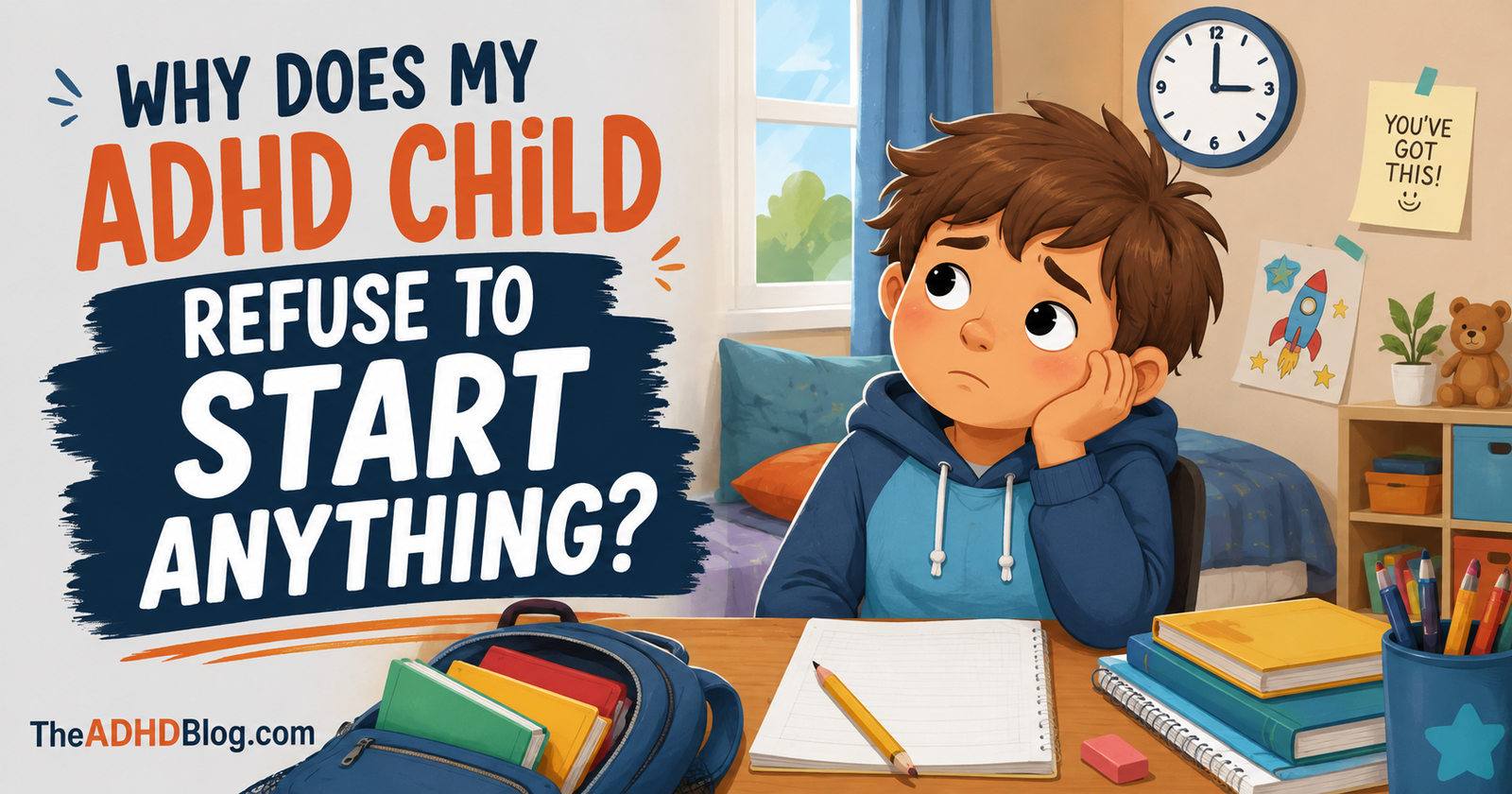
If your child struggles with starting tasks, we’ve already explored why that happens in our article about children with ADHD refusing to start activities.
A reward chart won’t automatically solve task initiation difficulties, but a clearly defined first step may make practice easier.
Start With One Behavior
If I were helping another parent design a reward system from scratch, I’d suggest beginning with one target behavior.
Not five.
Not ten.
Just one.
For example, if mornings are especially difficult, you might begin with putting shoes on after getting dressed.
Once that becomes easier, you can introduce another goal.
This allows parents to learn what’s working without trying to manage an entire household behavior program at once.
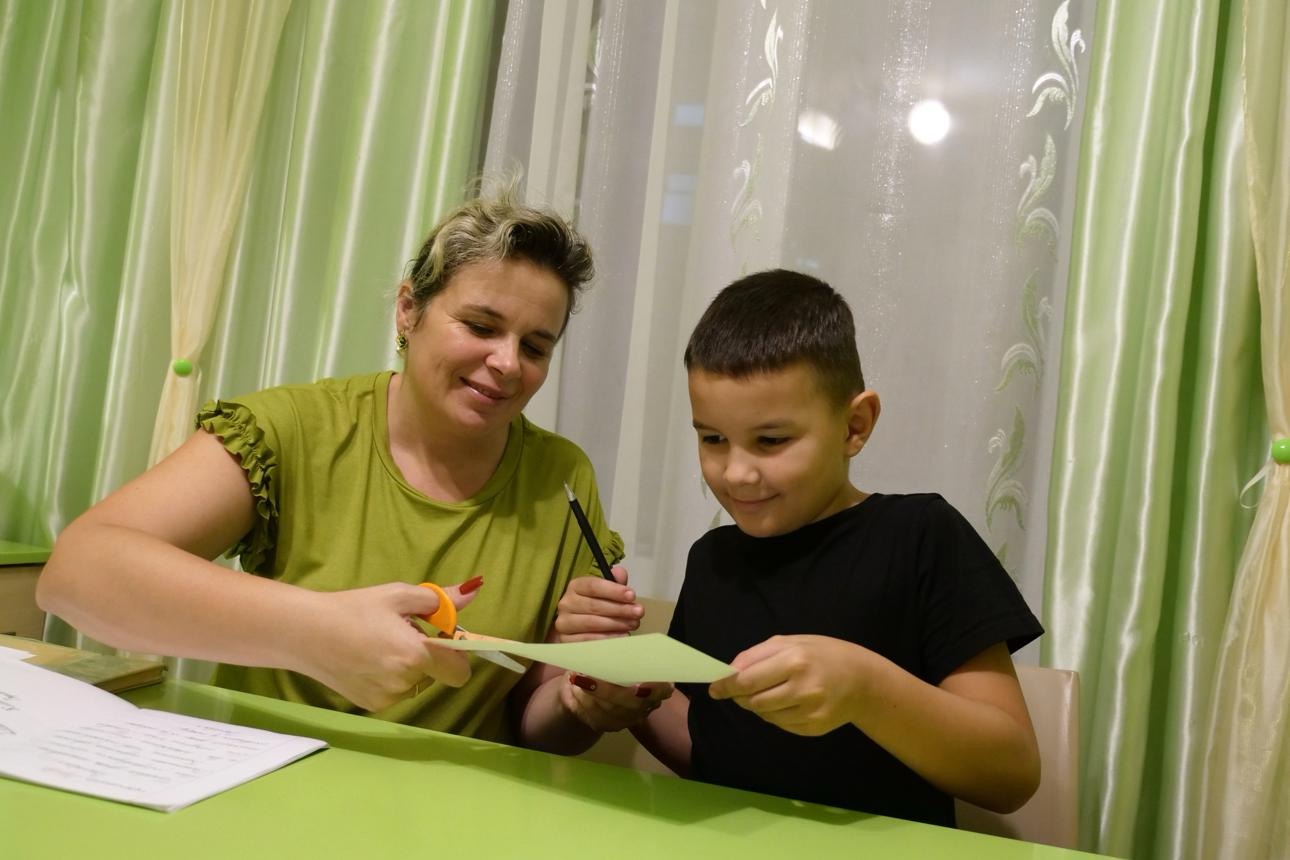
How to Make an ADHD Reward Chart That Actually Helps
You don’t need an expensive chart, an app, or a complicated points system.
A piece of paper and a few stickers may be enough.
What matters more is how the system works.
Step 1: Choose a Realistic Goal
Start with something your child can reasonably accomplish with the support they currently have.
For example:
“Put dirty clothes in the hamper before bedtime.”
If that’s already too difficult, break it down further.
“Put today’s socks in the hamper.”
That might sound incredibly small.
But when you’re teaching a child who struggles with follow-through, starting small can help them experience success.
Step 2: Explain Exactly How the Reward Works
Children shouldn’t have to guess what earns a sticker.
Tell them beforehand.
For example:
“When you put your shoes away after school, you get a star. When you earn three stars, you can choose our family game.”
This is an illustrative system, not something I’m claiming we’ve personally tested with our son.
The number of stars and type of reward should match the child’s needs.
Some children may need a smaller goal and an even faster reward.
Step 3: Give Feedback Immediately
This is particularly important for ADHD.
When your child completes the target behavior, acknowledge it promptly.
“You remembered your shoes. Nice job!”
Then give the sticker or token.
Don’t wait until bedtime to remember something that happened hours earlier if you can reasonably provide the feedback right away.
The closer the reward is to the behavior, the easier it may be for the child to connect them.
Step 4: Let Your Child Help Choose the Reward
A reward system is much less useful when the child doesn’t care about the reward.
Ask what they would actually enjoy earning.
You can offer a couple of reasonable choices rather than an unlimited shopping list.
Maybe they’d rather play a board game with Dad than earn another toy.
Or perhaps choosing dinner one night would be exciting.
You don’t have to spend money to make the system meaningful.
Step 5: Keep the Chart Where Everyone Can See It
If you put the reward chart in a drawer and forget about it, your child probably will, too.
Choose somewhere convenient.
The refrigerator might work.
A bedroom wall might be better for a private goal.
A small chart near the place where the behavior happens can serve as a reminder.
Just remember that children deserve privacy, too. A chart tracking sensitive or embarrassing behavior shouldn’t be displayed for visitors or siblings to inspect.
Step 6: Review the System Before Blaming Your Child
If the chart stops working, don’t immediately assume your child doesn’t care.
Ask whether the goal is too difficult.
Is the reward taking too long?
Did the reward lose its appeal?
Are parents having trouble remembering to give the stickers?
Does your child need reminders or help to complete the behavior?
Sometimes the system needs adjusting, not the child.
Why Does My ADHD Child Stop Caring About Rewards?
This can happen for several reasons, and boredom isn’t always the explanation.
The child might no longer find the reward interesting.
They might believe the goal is impossible.
They may feel discouraged after repeated unsuccessful attempts.
Or the system might be so complicated that it’s difficult to remember.
Children Need to Believe They Can Succeed
Imagine trying to earn a reward that requires you to do something you struggle with almost every single day.
You make one mistake.
The whole day’s reward disappears.
You try again tomorrow.
Another mistake.
After a while, you might stop being excited about the system.
Children can respond similarly.
That’s why I’d be careful with charts that require perfect behavior.
A child with ADHD may put in genuine effort and still become distracted or impulsive.
Recognizing progress can be more useful than requiring perfection.
Don’t Turn a Missed Sticker Into a Big Argument
If your child doesn’t earn a reward, explain it calmly.
Then show them when they’ll have another opportunity.
For example:
“We didn’t get the shoes put away this afternoon, but tomorrow you can try again.”
You don’t need to spend ten minutes discussing the missed sticker.
And you definitely don’t want the chart becoming another source of shame.
CHADD recommends providing opportunities to recover from missed rewards, particularly when children were trying but became distracted.
Should Parents Take Away Earned Stickers for Bad Behavior?
Generally, I would avoid taking away stickers or points a child has already earned, especially when you’re using the chart to build confidence and teach a new skill.
Think about what the sticker represents.
Your child completed the behavior successfully.
They earned recognition for that accomplishment.
If something unrelated goes wrong later, removing the sticker can make the system feel unpredictable.
A Missed Goal Is Different From Losing an Earned Reward
Let’s say your child earns a star for putting away their backpack.
Later, they become upset during homework.
That homework problem doesn’t erase the fact that they remembered their backpack.
You can address the homework behavior separately.
This keeps the reward system tied to the specific skill you’re teaching.
What About Consequences?
Children still need appropriate limits and consequences.
Positive reinforcement doesn’t mean ignoring unsafe or harmful behavior.
But consequences should be consistent, proportionate, and focused on teaching better behavior.
For example, if a child throws a toy, you might temporarily remove access to that toy while helping them practice a safer response.
You don’t necessarily need to wipe out every reward they earned earlier in the day.

Why Reward Charts Can Make Emotional Kids Feel Worse
This is something I think deserves more attention.
Some children with ADHD already experience frequent correction.
They’re reminded to pay attention, stop interrupting, finish their work, sit still, and remember things.
When they struggle with those expectations, they may become frustrated or discouraged.
Now imagine putting a chart on the refrigerator that records every day they failed to meet another expectation.
That isn’t necessarily how a reward chart is intended to work, but it can become the child’s experience.
Watch How Your Child Reacts to the Chart
Does your child seem excited about earning rewards?
Do they understand how to succeed?
Or do they become upset every time they see an empty space?
If the chart is creating frequent arguments, shame, or anxiety, it’s worth reconsidering how it’s being used.
Our son struggles significantly with emotional regulation. Because of that, we’re careful about assuming that a parenting strategy will be helpful simply because it sounds reasonable to adults.
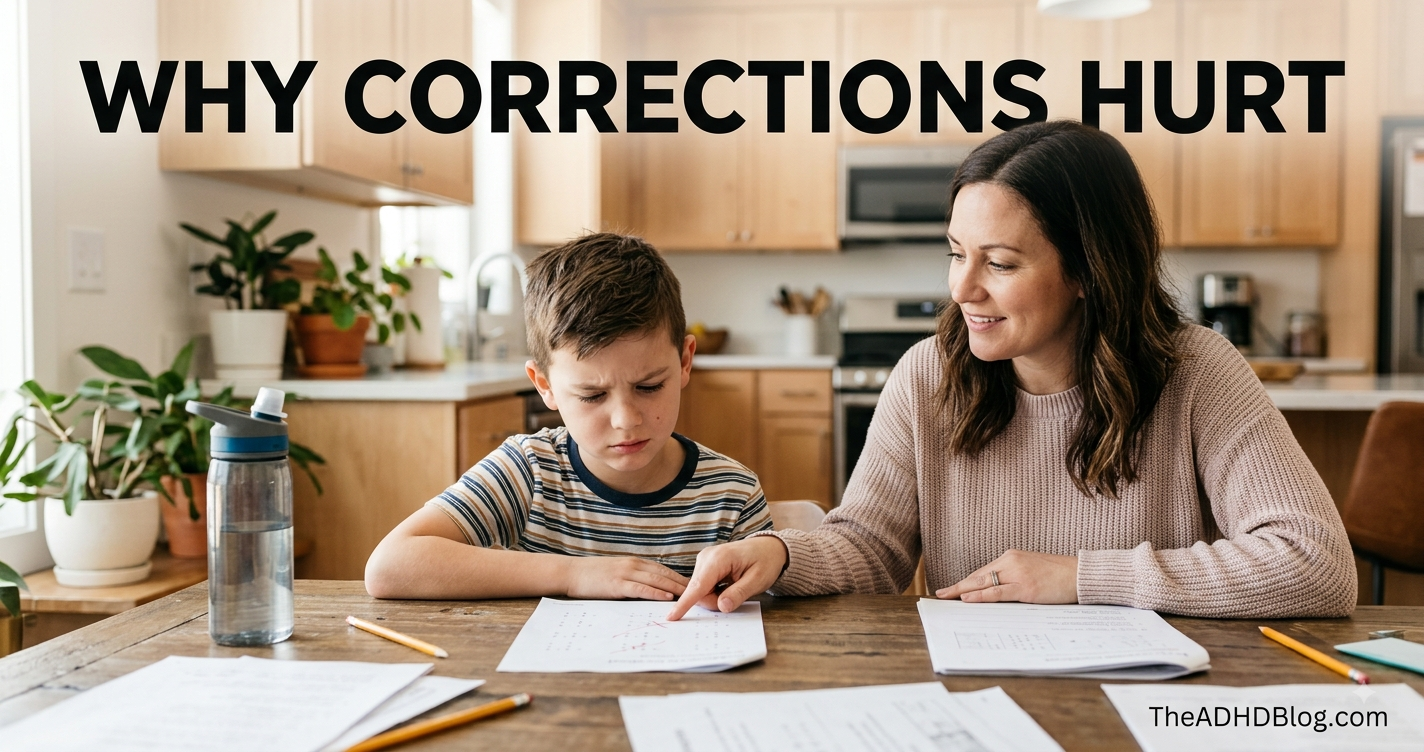
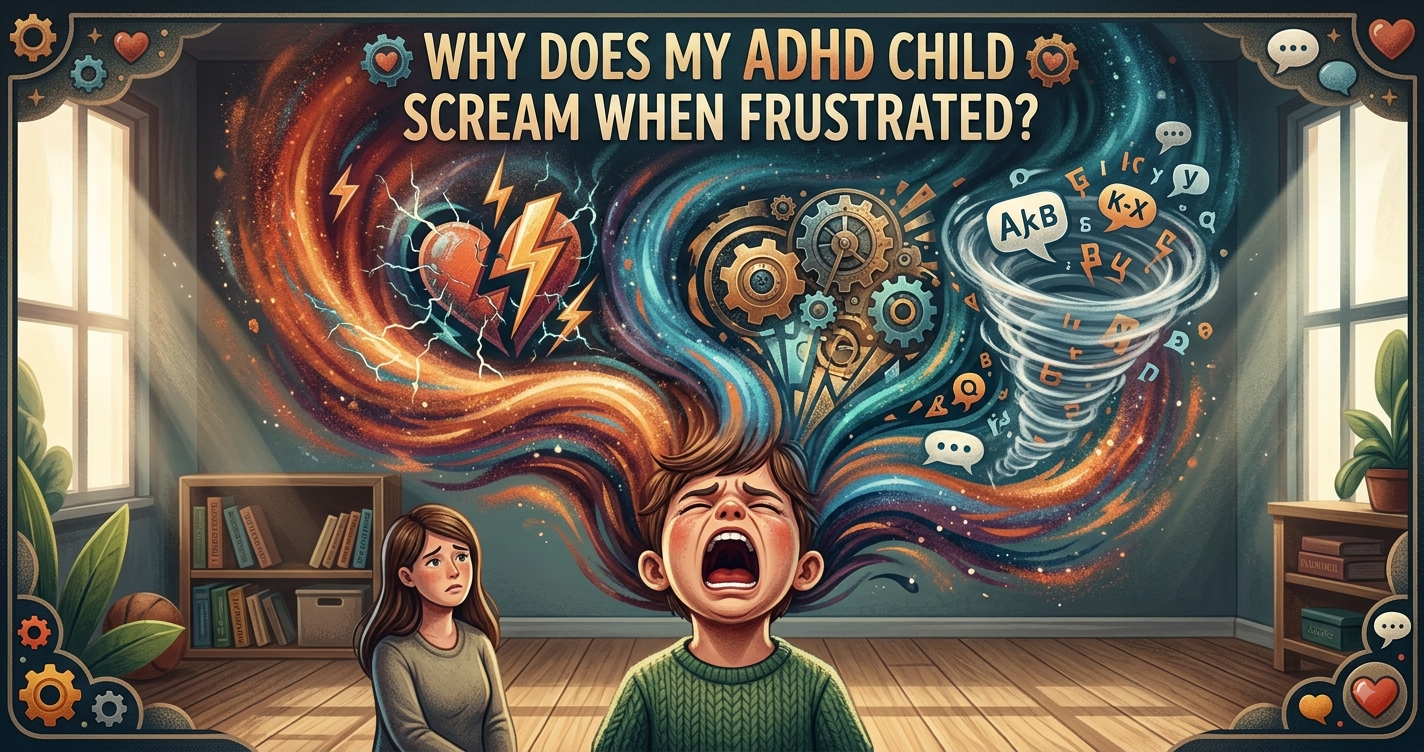
We’ve written more about those challenges in our article about why children with ADHD become upset when they’re corrected.
A child who already feels like they’re doing everything wrong may need a much smaller goal, more immediate encouragement, or a different type of support.
Reward Effort When Appropriate
Instead of only recognizing perfect outcomes, look for genuine progress.
For example, if your child normally refuses to begin cleaning their room but this time helps pick up five toys, that may represent meaningful improvement.
The reward goal should be defined so that effort or partial progress can count when appropriate.
That doesn’t mean changing the rules unpredictably.
It means designing goals around skills your child is actually learning.
What if ADHD Reward Systems Still Don’t Work?
Sometimes even a carefully designed reward chart doesn’t produce much improvement.
That’s not necessarily evidence that the child doesn’t want to cooperate.
They may need more support than a chart can provide.
Check Whether Your Child Can Perform the Skill
For example, if your child has difficulty remembering several instructions, a sticker chart won’t magically improve their working memory.
They might still need visual reminders, shorter directions, or help getting started.
Likewise, a child who becomes overwhelmed by homework may need educational support rather than a larger reward.

We discuss those difficulties in our ADHD homework tips for parents.
A good reward system supports an achievable behavior. It doesn’t replace the tools and accommodations needed to make that behavior possible.
Consider Parent Training in Behavior Management
If your child has significant behavior difficulties, evidence-based parent training can be valuable.
This isn’t about telling parents they’re doing something wrong.
It’s structured guidance that helps families understand behavior, set appropriate expectations, provide effective reinforcement, and respond consistently.
The CDC recommends parent training in behavior management as an important part of ADHD treatment.
For children younger than six, it’s recommended as a first treatment approach. For school-age children, behavioral approaches and medication may both be part of care.
Our son is seven, and his ADHD remains challenging even with medication and mental health treatment. That experience has reinforced how important it is to consider the child’s overall needs instead of expecting one strategy to fix everything.
Common Questions About ADHD Reward Charts
Do Reward Charts Work for Kids With ADHD?
They can. Research-informed behavioral strategies often use positive reinforcement to encourage specific behaviors.
However, a reward chart works best when expectations are realistic, rewards are meaningful, and feedback is timely.
Some children need additional support beyond a chart.
What Rewards Work Best for a 7-Year-Old With ADHD?
The best reward is something the child genuinely enjoys and can reasonably earn.
Examples include choosing a family game, getting special one-on-one time, selecting an activity, or earning small privileges.
At first, rewards that can be earned quickly may be more effective than rewards requiring an entire week of perfect behavior.
Should I Give My Child With ADHD Money for Good Behavior?
Money isn’t necessary for an effective reward system.
Some families use small allowances or tokens, but experiences, privileges, attention, and praise can also be valuable.
For younger children, simple and immediate reinforcement may be easier to understand.
How Many Behaviors Should Be on an ADHD Reward Chart?
Starting with one specific behavior is often a practical choice.
Once your child understands the system and begins experiencing success, you can consider adding another goal.
Too many expectations can make the chart confusing or discouraging.
Why Does My Child Only Behave When There’s a Reward?
Children learn new habits through practice, feedback, and repetition.
A reward system can provide temporary support while they’re developing a skill.
As the behavior becomes more consistent, parents may be able to gradually reduce tangible rewards while continuing encouragement and appropriate expectations.
Should I Use Punishment Instead of Rewards?
Positive reinforcement and appropriate boundaries can work together.
But relying mainly on punishment may be less helpful than teaching and reinforcing the behaviors you want to see.
Children with ADHD may need repeated practice and additional support with skills such as impulse control and following instructions.
Can Reward Charts Help With ADHD Homework?
They may help encourage a manageable behavior, such as starting homework or completing a short work period.
However, rewards won’t resolve every homework problem.
If your child struggles with understanding the material, attention, anxiety, or a learning difficulty, those issues need to be addressed directly.
What if My Child Gets Angry When They Don’t Earn a Reward?
First, make sure the goal is realistic and clearly explained.
Avoid arguing over the missing reward, and provide another opportunity to succeed.
If the system repeatedly causes severe frustration or distress, consider simplifying it or discussing a different approach with a behavioral health professional.
Will My Child Always Need Rewards to Do Everyday Things?
Not necessarily.
Rewards are one tool for helping children learn and practice behaviors.
As skills improve, tangible rewards can sometimes be reduced gradually.
But children with ADHD may continue benefiting from clear routines, reminders, positive feedback, and other supports as they grow.