This Simple Tool Helped ADHD Focus More Than We Expected
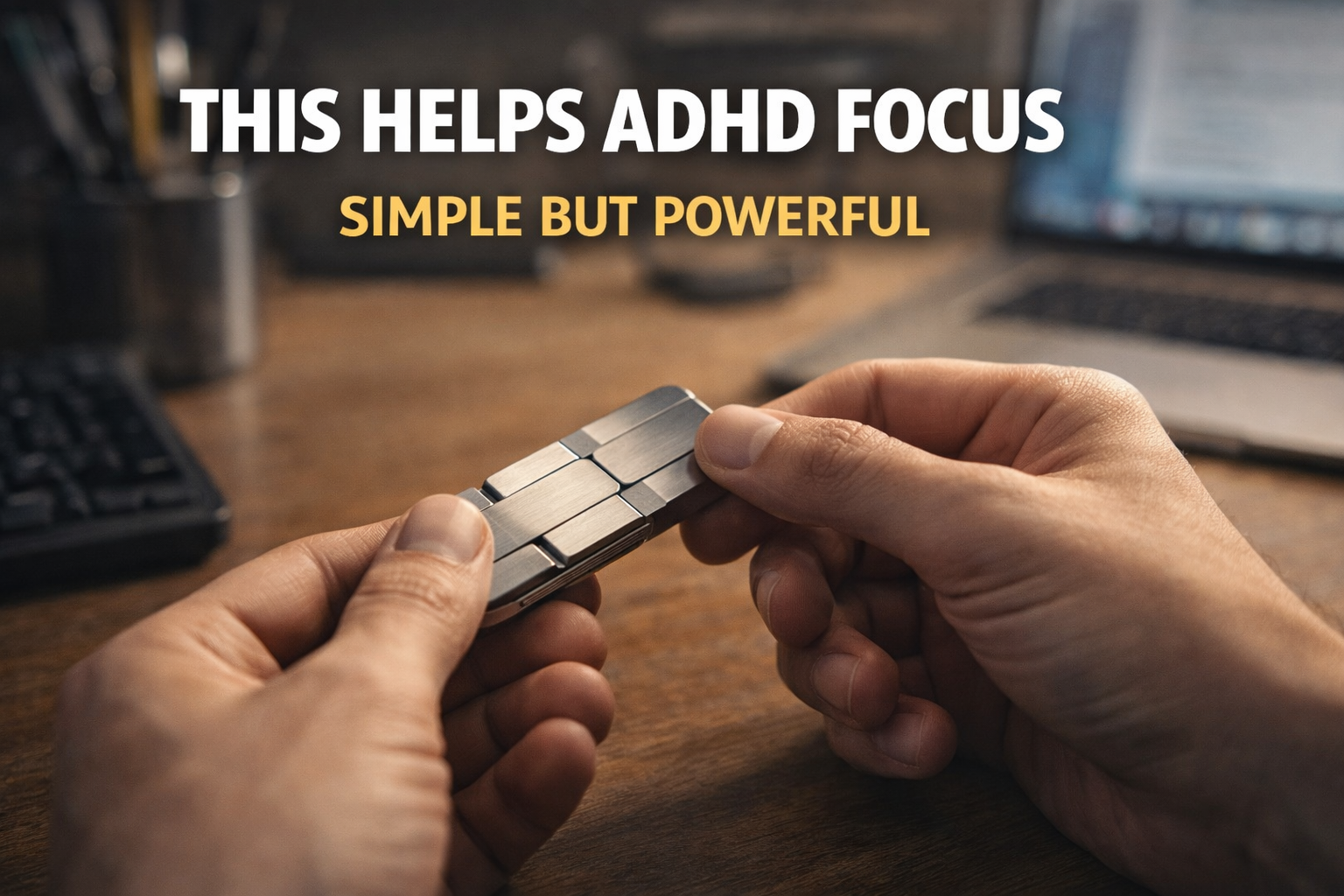
Fidget tools did not solve every focus problem, but they made homework and quiet work time noticeably easier by giving the brain just enough movement to stay engaged instead of wandering off.
A fidget spinner gave our ADHD child just enough movement to stay with homework and quiet-time tasks longer, without becoming another distraction. It didn’t fix everything, but it reduced the constant frustration and made focus feel less overwhelming.
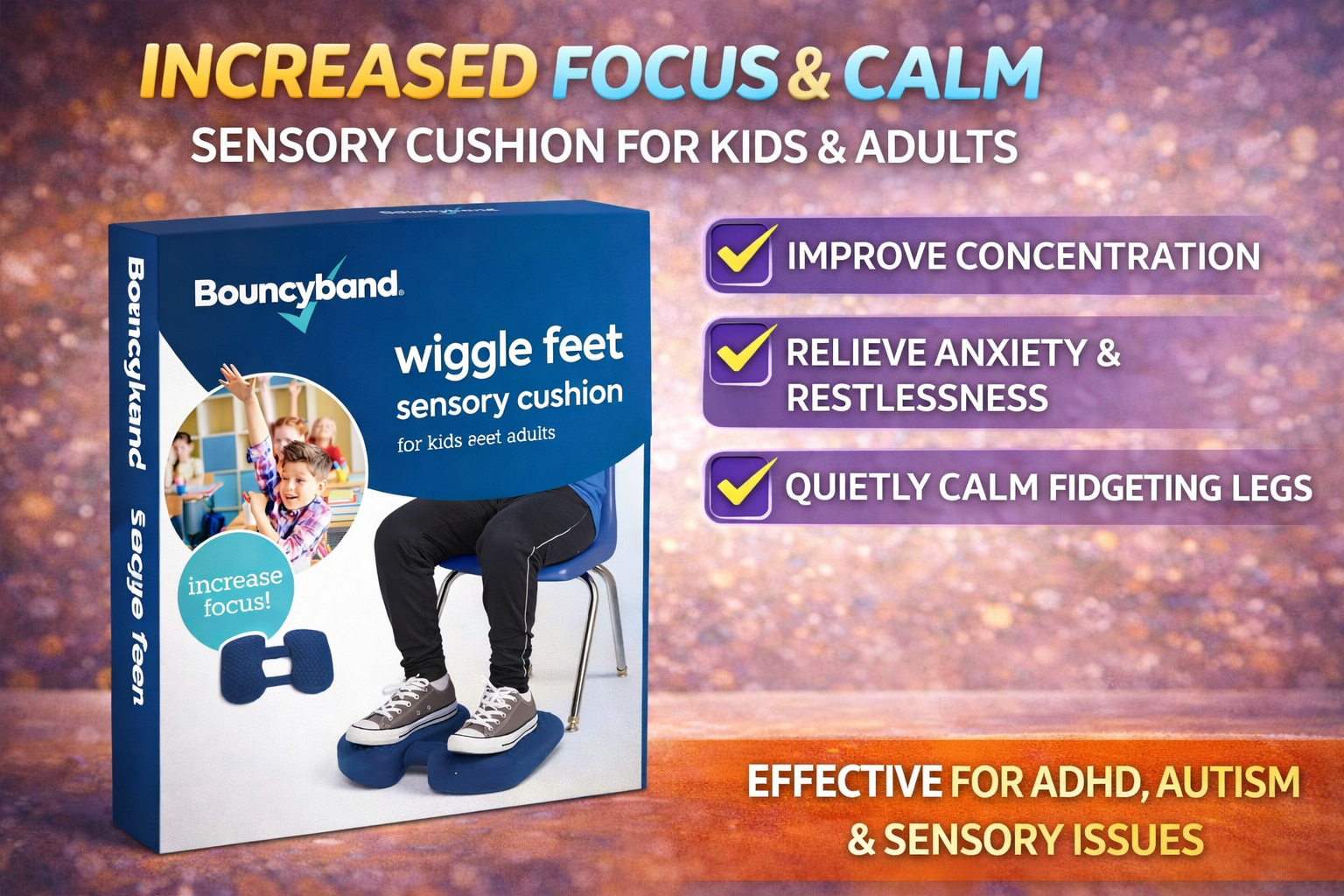
Trying to force a child with ADHD to sit still can make focus harder. Controlled movement and practical focus tools may reduce frustration, support attention, and make homework and daily routines more manageable.
A textured sleeve turns an ordinary pencil into a quiet fidget tool for school or work. It keeps restless hands moving without noise or much attention, so your brain can stay engaged while you write.
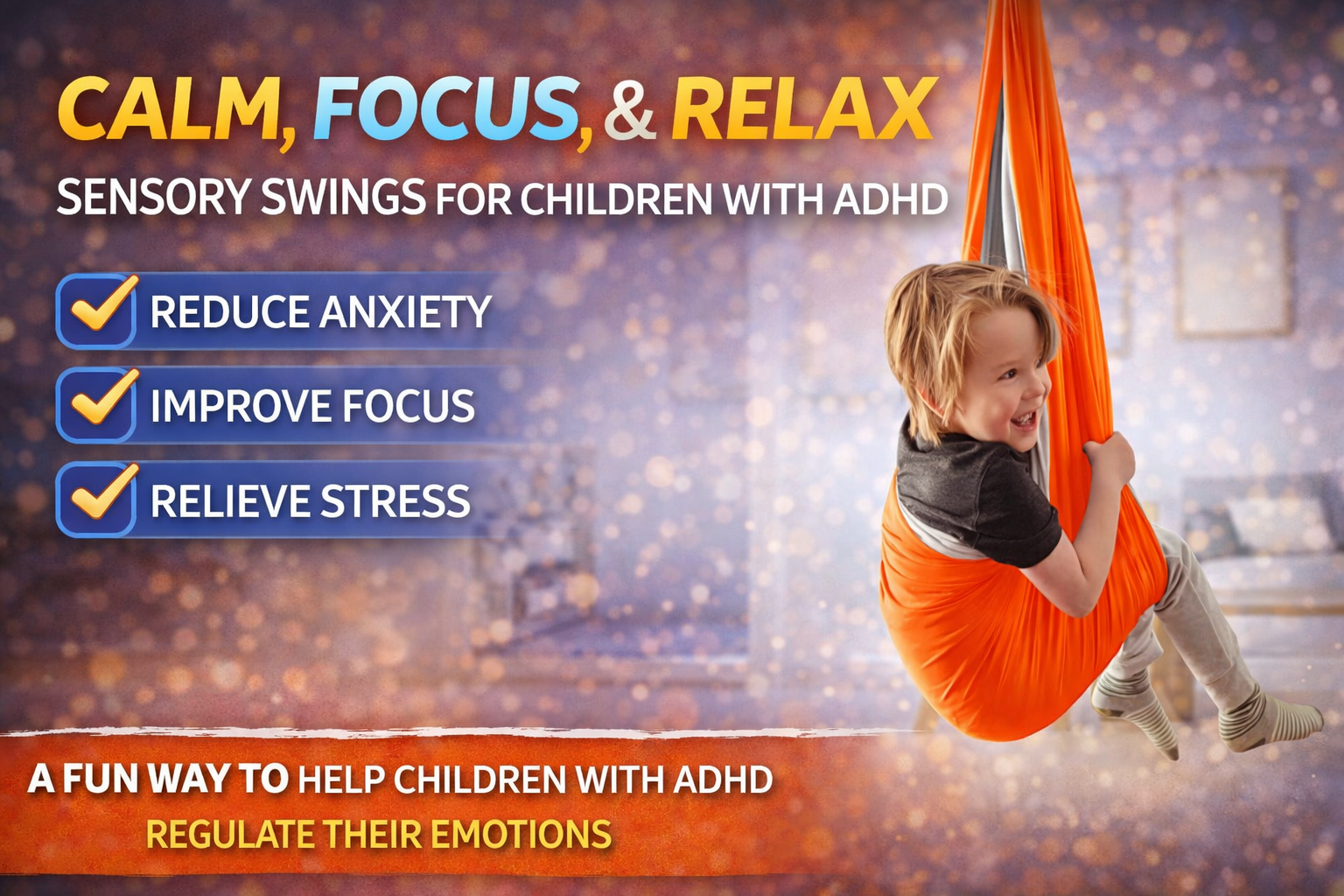
When overwhelm, restlessness, or big emotions hit, this enclosed sensory swing gives kids a place to move, settle, and reset. The gentle motion can support calmer bodies, better focus, balance, coordination, and body awareness in one spot they may actually want to use.

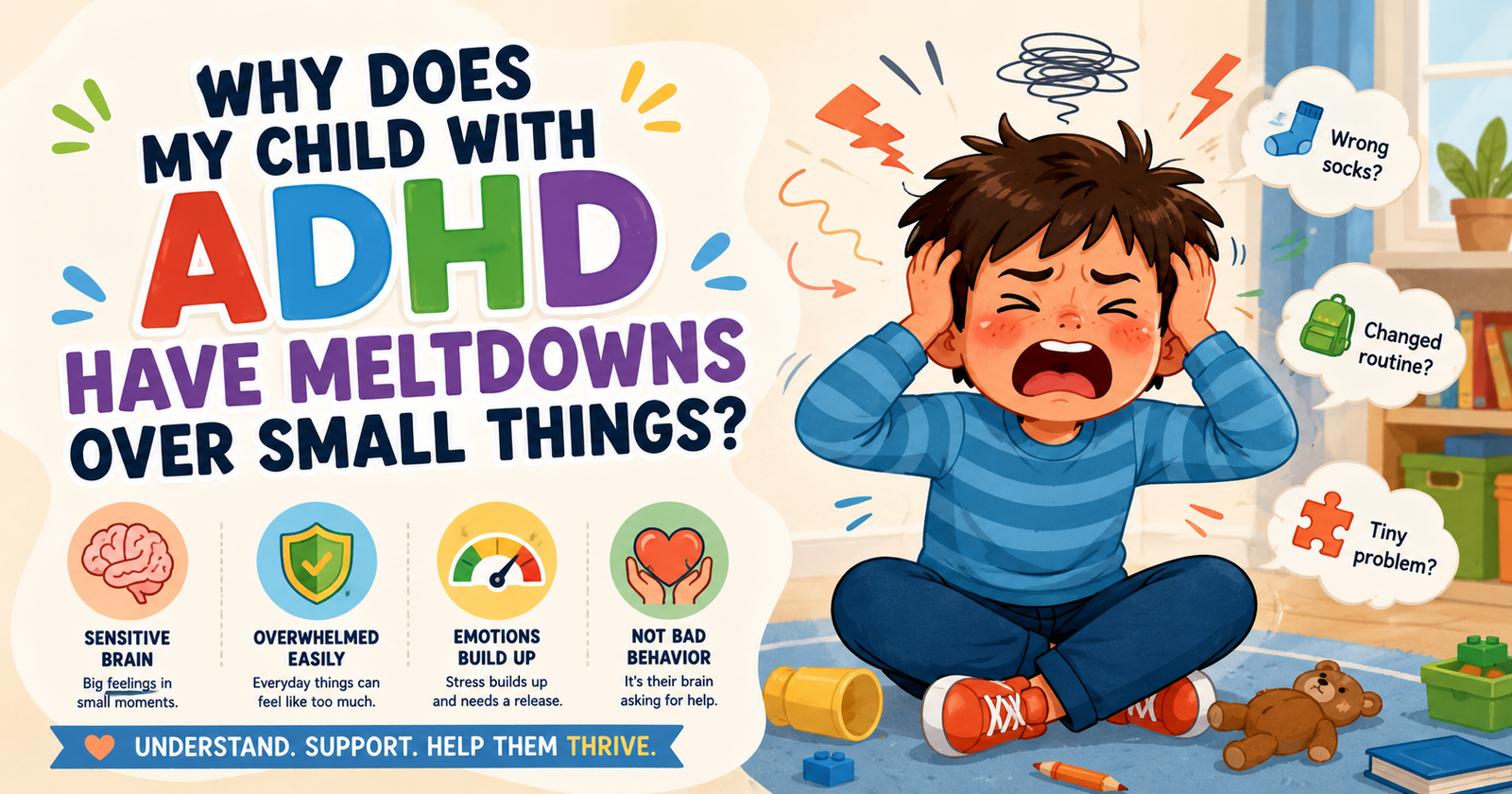
The book makes a useful distinction many parents need to hear. Your child is not being difficult on purpose, their brain works differently, and that can change how you respond to meltdowns, emotional outbursts, and focus problems at home.
A metal bike chain can give restless hands something to do without looking like a toy. It’s quiet, pocket-sized, durable, and discreet enough for meetings, studying, watching TV, or anywhere you need movement without extra attention.
Short, game-like activities can help kids with ADHD practice focus, self-control, and emotional control without another battle over homework. This workbook gives parents an easy option for after-school, weekend, or brief daily sessions that children may actually enjoy.
Added to a drink, these daily focus drops offer parents a simple way to try ingredients such as ginkgo biloba and adaptogenic herbs. They are presented as a gentle support for attention and calmer behavior, not a magic fix.
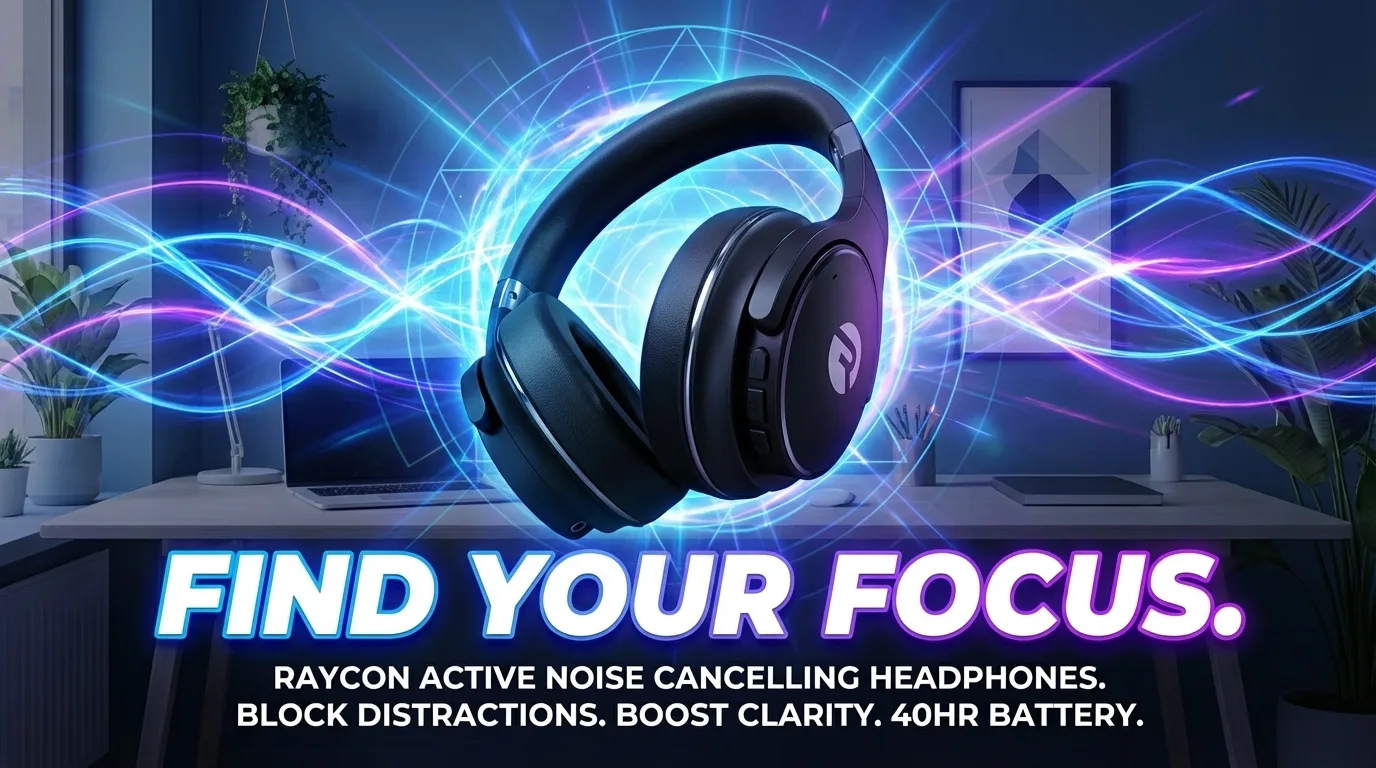
A single background noise can pull an ADHD brain out of focus instantly. These active noise cancelling headphones create a quieter space for studying, travel, work, or relaxing, helping reduce distraction and frustration without requiring a perfectly quiet room.
These take-apart puzzles hit the sweet spot between too easy and overwhelming, helping an ADHD brain lock in, redirect restless energy, and lose track of time without another scroll through social media. They also make satisfying screen-free breaks for desks, coffee tables, and kids.
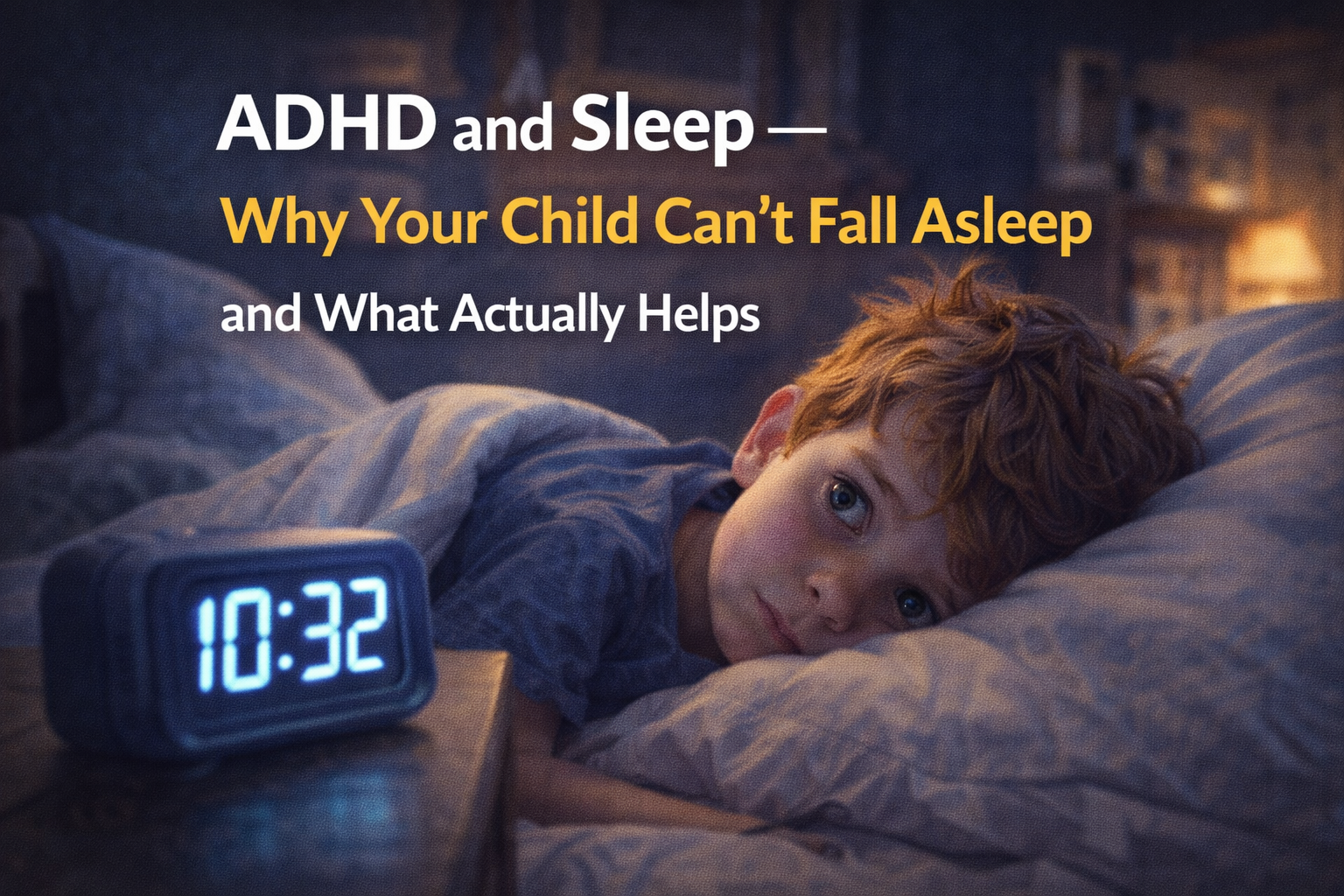
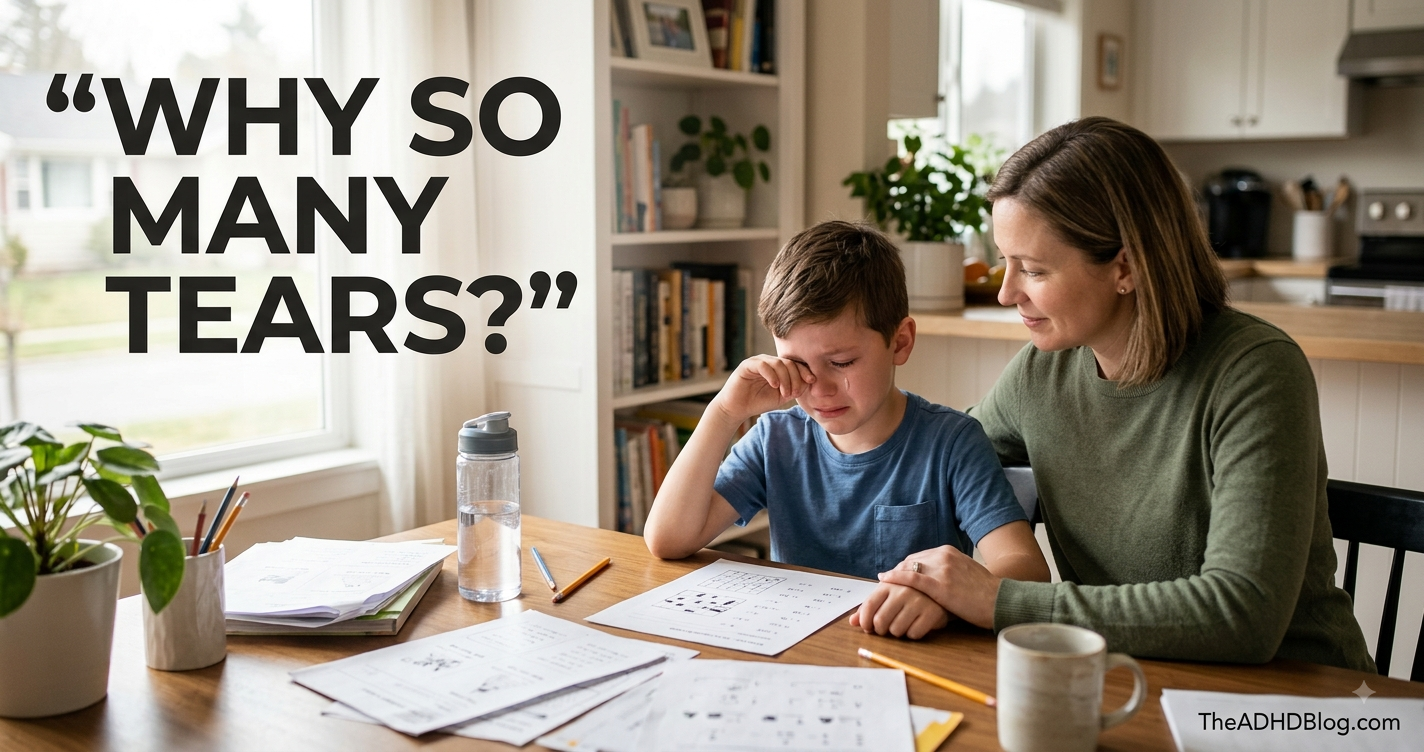
The more we pushed for focus, the less our child could give us. Short work sessions, movement, fidgets, timers, and simpler routines worked better than repeating reminders all day, especially when homework turned into a daily battle.