
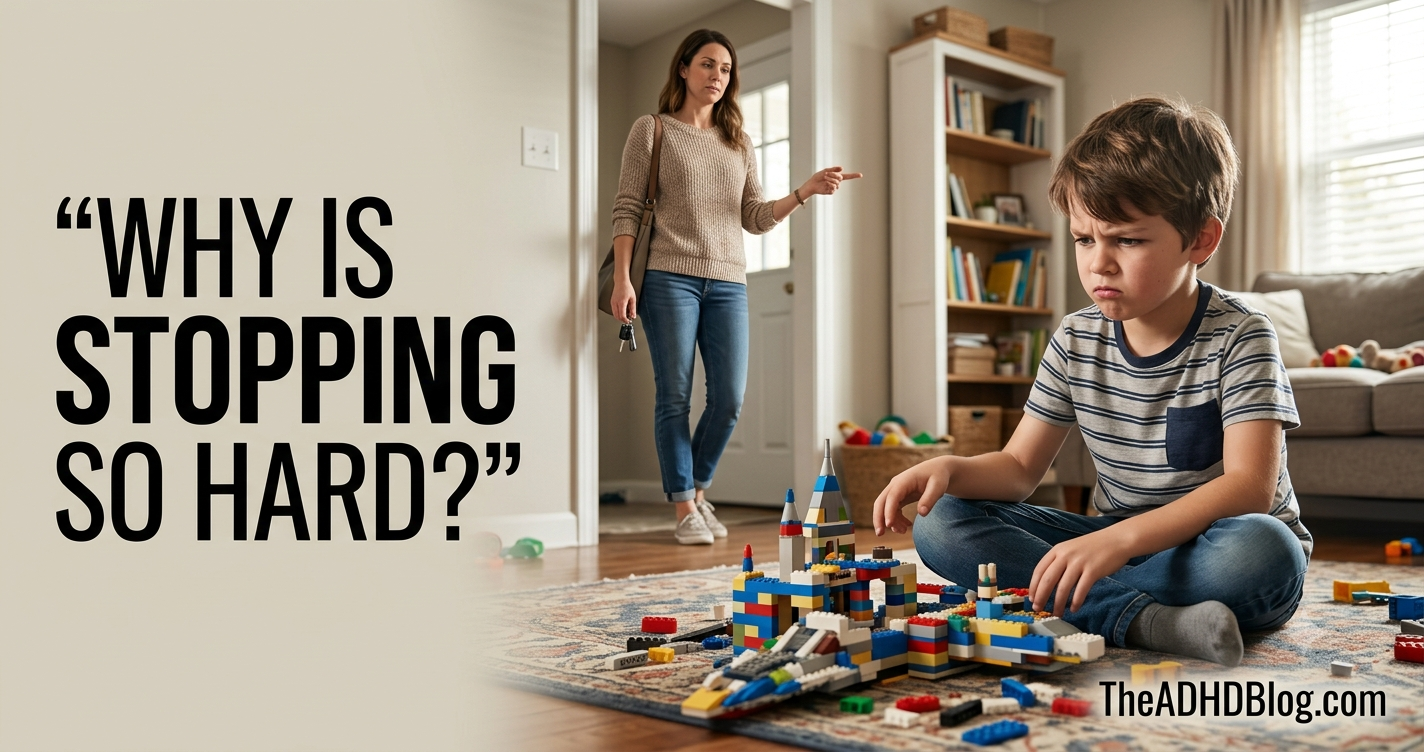
There are certain phrases I’ve learned can completely change the mood in our house.
“Time to turn the tablet off.”
“Put your shoes on. We need to leave.”
“Okay, playtime is over. It’s time for homework.”
“Come inside. Dinner is ready.”
Sometimes the activity we’re moving to isn’t even particularly unpleasant. The problem seems to be stopping whatever is happening right now.
I’ve watched a child go from perfectly happy to irritated, argumentative, or completely overwhelmed within seconds of hearing that it’s time to switch activities.
For a long time, this kind of reaction can look like plain defiance.
You gave a perfectly reasonable instruction. Your child heard you. They know you’re leaving. Yet five minutes later they’re still playing, and when you finally insist, everything falls apart.
But I’ve found it much more useful to ask a different question:
Why are transitions so hard for kids with ADHD in the first place?
Because once I understand what’s happening during the transition, I have a lot more options than repeating myself louder.
A Transition Requires More From the Brain Than It Looks Like
From my perspective, “Put the game away and come eat dinner” sounds like one simple instruction.
But think about everything involved.
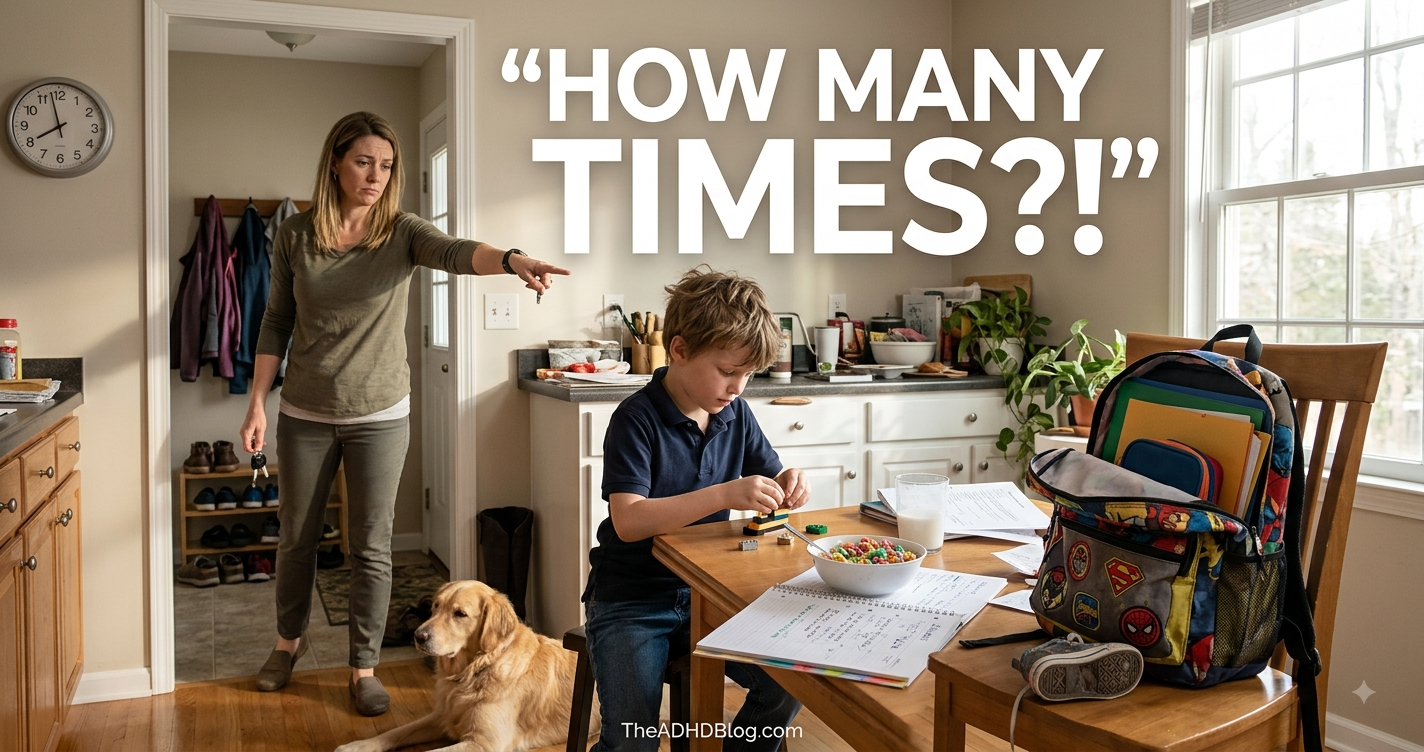
My child has to pull attention away from something engaging, mentally accept that the activity is ending, remember what I’m asking them to do, stop what they’re physically doing, organize whatever needs to happen next, and redirect their attention toward an entirely different activity. Those competing demands also help explain why instructions may not stick even when a child seems to have heard the request.
That’s a lot packed into one seemingly simple moment.
The CDC specifically recommends extra warnings before transitions and changes in routine for students with ADHD. It also notes that children who become deeply absorbed in interesting activities may need additional help shifting their attention.
That sounds much closer to what I’ve actually seen at home.
Sometimes the issue isn’t that my child didn’t hear me say it’s time to stop.
Stopping is the hard part.


The Hardest Transitions Often Go From Something Great to Something Boring
This is probably not surprising to any parent.
Try these two transitions:
“Stop cleaning your room. We’re going for ice cream.”
versus:
“Stop playing Minecraft. It’s time to clean your room.”
I wouldn’t expect identical reactions.
ADHD can make it particularly difficult to regulate attention, and a child may become intensely absorbed in an activity that is interesting to them. The CDC specifically mentions that this deep engagement can make shifting attention harder.
So when my child is fully engaged in a game, LEGO build, drawing, show, or backyard activity, I’m not merely introducing the next task.
I’m asking their brain to disengage from something that’s currently holding their attention extremely well.
Then I’m often asking them to redirect that attention toward something much less rewarding.
Homework.
Bath.
Cleaning.
Getting dressed.
Leaving.
Going to bed.
That’s a pretty dramatic switch.


“Five More Minutes” Doesn’t Always Mean They’re Trying to Manipulate Me
We’ve all heard it.
“Five more minutes!”
Then five minutes passes.
“PLEASE! Two more minutes!”
It can feel like the child is negotiating indefinitely because they think we’ll eventually give in.
Sometimes that probably is exactly what’s happening.
But I’ve also learned that knowing something will end soon and actually disengaging from it are different things.
The child may genuinely understand that screen time ends at 7:00 and still struggle when 7:00 arrives.
That doesn’t mean I keep extending the deadline.
It means I need to help make the transition more predictable rather than assuming that knowing the rule automatically makes switching easy. A broader ADHD parenting guide may also help parents build more predictable routines around difficult moments.
Abrupt Transitions Are Usually Harder in Our House
Imagine you’re halfway through an interesting movie and somebody suddenly turns the television off.
“We’re leaving.”
I’d be annoyed too.
Adults naturally create transition points for ourselves. We finish the chapter. Save the document. Complete the conversation. Put away the tool. Finish the episode.
Kids don’t always have control over when transitions happen.
That’s one reason warnings can make such a difference.
Instead of walking into the room and announcing:
“Tablet off. Now.”
I can give some runway.
“Ten more minutes.”
Then later:
“Five minutes.”
And finally:
“Two minutes. Find a stopping point.”
The CDC recommends giving children with ADHD extra warnings before transitions and changes in routine.
I’ve found that the phrase “find a stopping point” can sometimes work better than simply announcing how many minutes remain.
It gives the child a job to do with that warning.
But Warnings Only Work If I Actually Follow Through
This part matters.
If I say five minutes and then allow 25, the warning doesn’t mean much.
If sometimes “tablet time is finished” means finished and other times a big enough argument earns another half hour, I’ve made the transition unpredictable again.
Predictability is one of the biggest advantages of routines. CDC parenting guidance describes consistency, predictability, and follow-through as core parts of creating useful structure for children.
So I want my warnings to be real.
Ten minutes means we’re getting close.
Five means five.
When time is finished, we’re transitioning.
My job is to make that transition easier to handle, not make the boundary meaningless.
Why Does My ADHD Child Get Angry When It’s Time to Leave?
This is one of the most frustrating versions because leaving often comes with a deadline.
We have an appointment.
School starts.
The store closes.
Somebody is waiting.
I don’t have 40 minutes to negotiate about putting shoes on.
Then my child senses I’m becoming rushed, which makes the whole situation even more tense.
Sometimes the anger isn’t really about where we’re going. It’s about suddenly having to stop what they were doing and switch into a sequence of tasks they weren’t mentally prepared to begin.
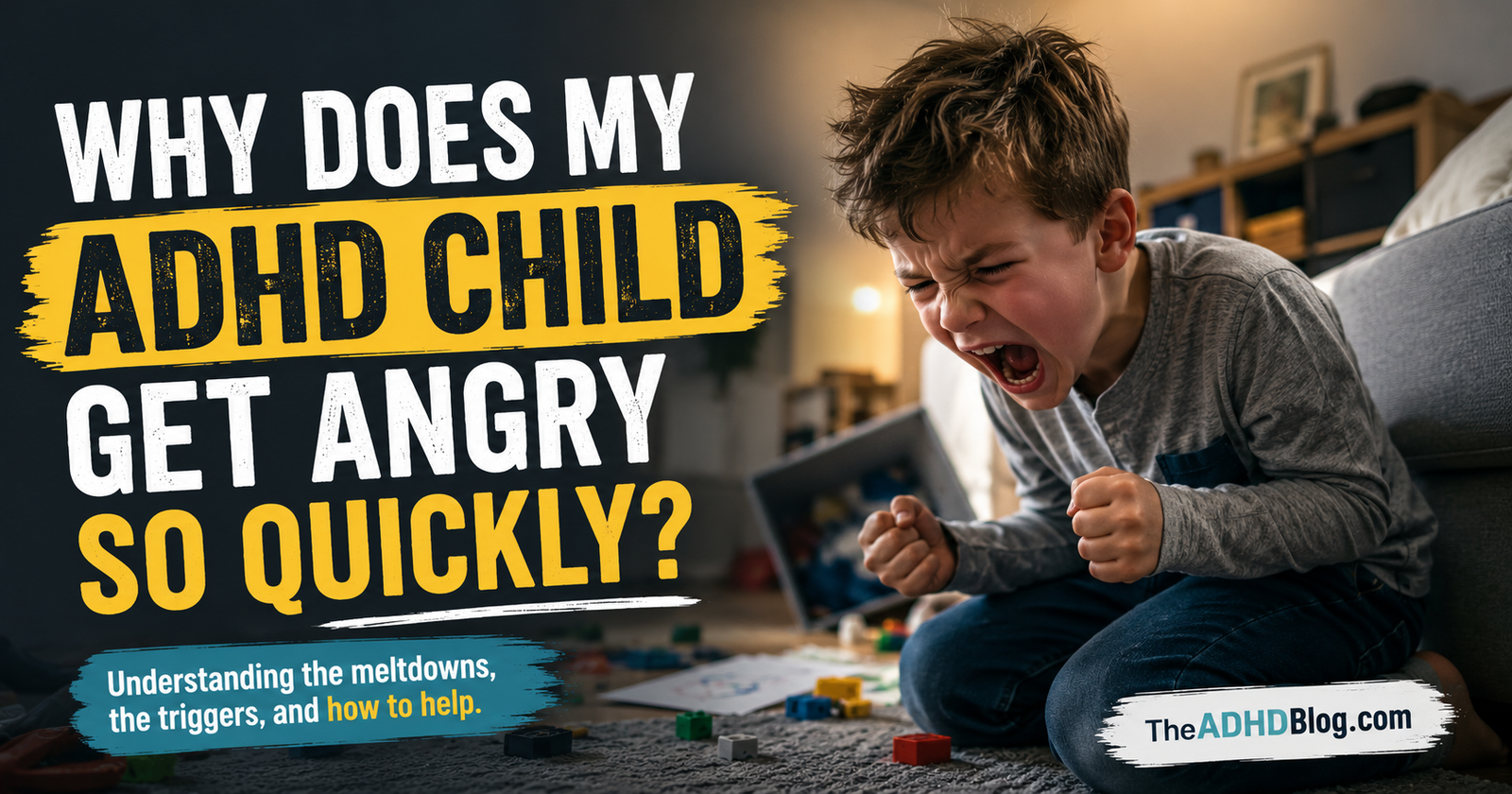
If anger appears almost instantly during these moments, our guide on why an ADHD child can get angry so quicklyexplains why rapid frustration can become such a major part of family life.
Understanding the anger doesn’t mean we miss the appointment.
It means I want to prevent us from reaching the explosive part whenever I reasonably can.
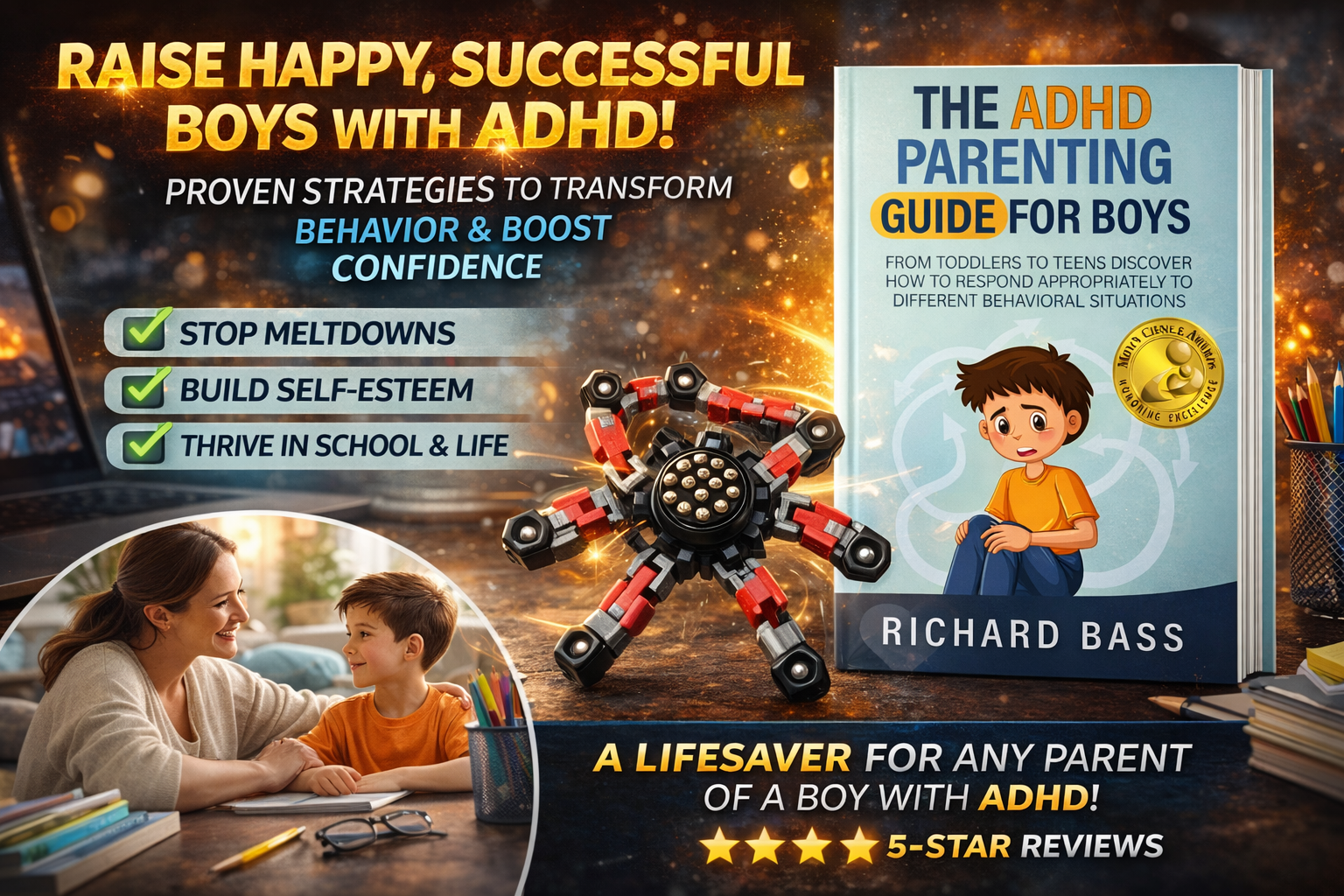

Morning Transitions Can Become One Long Chain of Battles
Mornings are basically transitions stacked on top of transitions.
Wake up and get out of bed. Stop whatever you’re doing and get dressed. Finish breakfast and brush your teeth. Stop playing and find your shoes. Get your backpack. Get into the car.
There may be six or seven transitions before I’ve finished my coffee.
If every transition requires three reminders and an argument, mornings become exhausting.

That’s one reason our ADHD morning routine became so important.
I don’t want to verbally direct every movement.
The more predictable the sequence becomes, the less each next step feels like a brand-new interruption invented by me.
A Routine Can Turn “Mom Says” Into “This Is What Happens Next”
I love this distinction.
Without a routine:
“Mom is making me stop eating and brush my teeth.”
With a familiar routine:
“After breakfast, I brush my teeth.”
Same expectation.
Different feeling.
The CDC recommends consistent daily routines for children with ADHD and specifically suggests following a regular schedule from waking through bedtime.
That doesn’t mean children suddenly love every transition.
But predictable routines can reduce how many transitions arrive as surprises.
And surprises are often where our biggest problems begin.
Visual Schedules Can Reduce Constant Verbal Reminders
Some children respond much better when they can see what’s coming.
Instead of repeatedly saying:
“Get dressed.”
“Brush your teeth.”
“Get your backpack.”
“Get your shoes.”
a simple visual or written routine can show the sequence.
For a younger child, that might use pictures.
For an older child, it could simply be a checklist.
The goal isn’t creating a Pinterest-perfect command center with laminated cards and 14 different colors.
I want something the child will actually use.
If a $2 dry-erase board on the refrigerator works, that’s enough.
Timers Can Make the Transition Feel Less Personal
This is another trick I like because it removes me from the role of constantly announcing that fun is over.
Instead of:
“I said it’s time!”
the timer goes off.
The timer isn’t angry.
It isn’t impatient.
It isn’t criticizing anybody.
It’s simply the agreed-upon signal that the activity is ending.
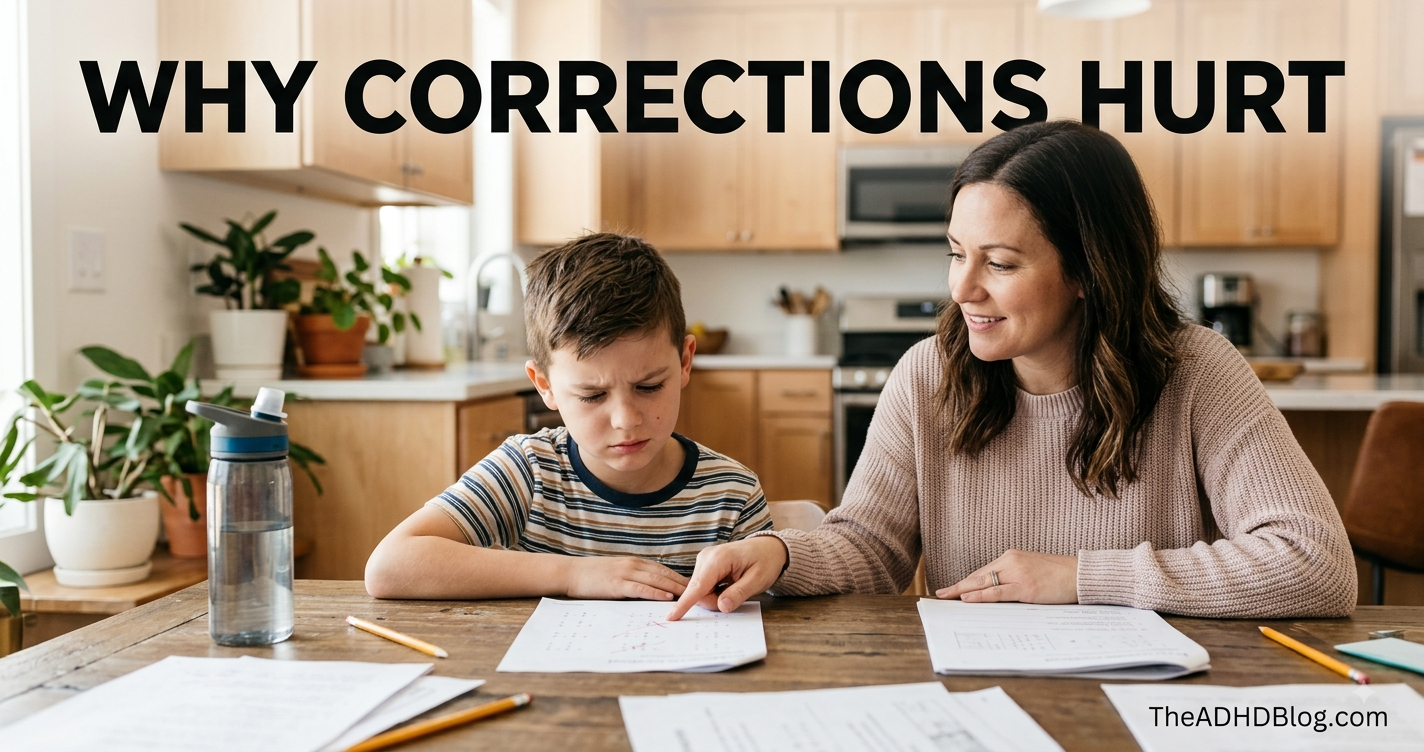
That can be particularly helpful if your child tends to interpret ordinary reminders as criticism. We’ve already explored why some ADHD children become so upset when corrected, and constant transition reminders can easily become another form of correction throughout the day.
A timer won’t solve every battle, but it can make the boundary feel more neutral.


Let the Child Know What Comes After the Transition
Sometimes “stop playing” sounds like nothing except loss.
What happens next?
“Five more minutes of LEGO, then we’re eating tacos.”
“After this episode, we’re taking a bath, then you can pick the bedtime book.”
“We’re leaving the park in ten minutes. When we get home, we’re making popcorn.”
I’m not suggesting bribing a child through every ordinary expectation.
I’m helping their brain see beyond the thing that’s ending.
For some children, knowing the sequence makes the transition much easier to accept.
Give Small Choices Inside a Transition You Can’t Change
We’re leaving.
That part isn’t negotiable.
But perhaps something inside the transition can be.
“Do you want to wear your blue shoes or black shoes?”
“Do you want to carry your backpack or should I?”
“Do you want to walk to the car or race me?”
The CDC recommends limiting choices to a few options to help children with ADHD avoid becoming overwhelmed.
I like this because it gives a little control without pretending the larger expectation is optional.
We’re still going.
The child gets some ownership over how we get there.
Don’t Ask a Question When There Isn’t Actually a Choice
This is one of those little parenting habits that’s easy to miss.
“Do you want to go take your bath?”
Child:
“No.”
Well, technically, I asked.
If the bath isn’t optional, I don’t need to present it like an election.
“It’s bath time. Do you want bubbles or no bubbles?”
Now the expectation is clear, and the actual choice is clear too.
That little change can prevent arguments that never needed to happen.
Homework Is Another Difficult Transition
Going from free time to homework can be brutal.
A child comes home and finally gets to do something enjoyable. Then I announce that it’s time to stop and begin the exact kind of mental work they’ve spent all day doing.
That’s not an easy transition.

If homework itself is already a major frustration point, our ADHD homework tips for parents can help with the task after the transition happens.
But I also think about when homework starts.
Does the child need a snack first?
Movement?
Twenty minutes outside?
A little quiet?
There’s no universal answer, but I’d rather intentionally design that transition than repeat “start your homework” 15 times every afternoon.
Transitions Can Trigger Crying Too
Not every child responds with anger.
Some become tearful when it’s time to stop something, change plans, or move into an activity they don’t want to do.
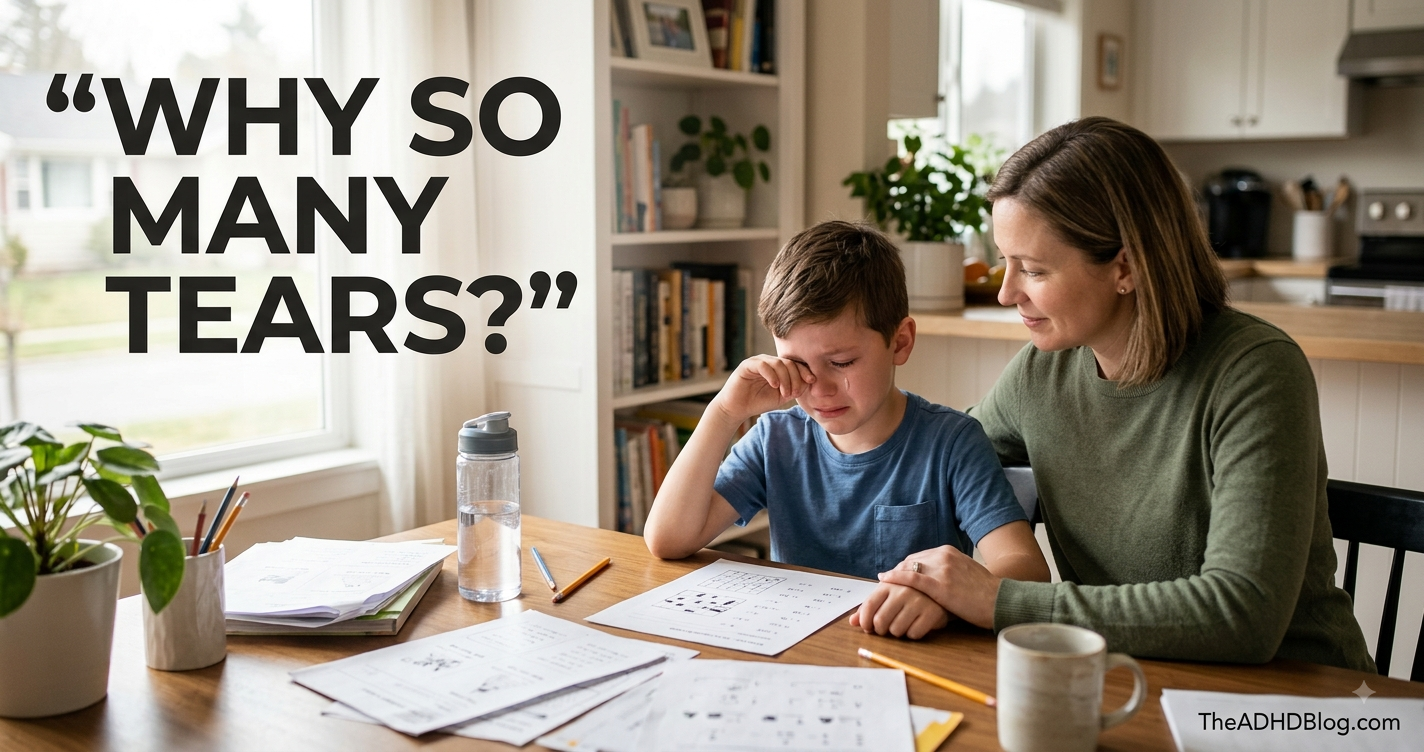
If your child seems to become emotional over situations that look incredibly small from the outside, our article on why an ADHD child may cry over everything explores how frustration, exhaustion, disappointment, and overwhelm can all come out as tears.
I don’t automatically cancel the transition because my child cries.
But I also don’t have to mock the reaction.
“I know you really wanted to keep playing. It’s hard to stop when you’re having fun. We’re still leaving.”
Empathy and boundaries can exist in the same sentence.
Taking a Transition Personally Can Make It Even Harder
Sometimes the child doesn’t merely dislike stopping.
They interpret the instruction emotionally.
“You never let me do anything!”
“You always ruin everything!”
“You don’t want me to have fun!”

That’s where the article we just published on why an ADHD child may take everything personally becomes especially relevant.
I don’t need to debate every exaggerated statement.
I can acknowledge the disappointment while keeping the facts straight.
“I know you’re disappointed that we’re leaving. We’re leaving because it’s dinner time, not because I don’t want you to have fun.”
Then we keep moving.
Don’t Introduce Five More Demands During a Difficult Transition
This is something I’ve had to catch myself doing.
We’re already struggling to leave.
Then I notice something else.
“And clean this up.”
Then:
“Did you finish your water?”
Then:
“Go find your sweatshirt.”
Then:
“Why are your shoes over there?”
Now I’ve turned one transition into five simultaneous problems.
When possible, I want the next step to be painfully clear.
“Put your shoes on.”
Once that’s done, we move forward.
The CDC recommends clear, brief directions and breaking complicated tasks into smaller steps for children with ADHD.
That’s exactly what I’m trying to accomplish.
Screens Can Be Especially Hard to Stop
This deserves special mention because screens can become one of the biggest transition battles in a house.
Games, videos, and apps can be intensely engaging. Games in particular may not have natural stopping points that line up neatly with our schedule.
If I walk in during the middle of an online match and demand that everything shut down instantly, I’ve created a difficult transition.
That doesn’t mean the game gets unlimited control over our schedule.
It means I can plan better.
If we need to leave at 5:30, maybe a new match doesn’t start at 5:20.
That’s easier to enforce before the match begins than after the child is deeply engaged in it.
Ending at a Natural Stopping Point Can Help
Whenever practical, I like transitions that line up with the activity.
Finish this page.
Complete this LEGO section.
Save the game.
Finish the picture.
Go down the slide one more time.
Then stop.
Obviously life doesn’t always cooperate.
Sometimes we have to leave now.
But when I have flexibility, a natural stopping point can feel much better than having something abruptly ripped away midstream.
What If My ADHD Child Completely Ignores Transition Warnings?
This happens.
Ten minutes.
No response.
Five minutes.
Still playing.
Two minutes.
Nothing.
Then time is up and the child acts shocked.
That’s when I ask whether the warning actually required any acknowledgment.
Sometimes I’ll move closer and make sure the child has genuinely registered it.
“Hey, look at me for a second. Five minutes until we leave. What happens in five minutes?”
They tell me:
“We leave.”
Now I know the message landed.
I don’t necessarily need forced eye contact. I need some indication that my child actually processed what I said.
Calling something from two rooms away while they’re completely absorbed in a game may not accomplish that.
What If Every Transition Turns Into a Meltdown?
At that point, I’d start tracking patterns.
Which transitions are worst?
What time of day?
From what activity?
Into what activity?
Was the child hungry?
Tired?
Already frustrated?
Was the transition expected?
Were warnings given?
Did we suddenly change plans?
Patterns can reveal whether we’re dealing with transitions broadly or a few specific transitions that repeatedly cause trouble.
If the reaction becomes a genuine emotional explosion, our guide on what an ADHD meltdown looks like in a child can help distinguish ordinary resistance from a child who has become significantly dysregulated.
That’s an important difference.
Once the Meltdown Starts, I Stop Arguing About the Transition
If we’ve reached full dysregulation, explaining why leaving is reasonable usually isn’t helping anymore.
“We told you yesterday.”
“Everyone else is already waiting.”
“You knew we had to leave.”
Those statements may all be true.
They aren’t necessarily useful right then.
If the situation allows it, I shift toward safety and regulation. Our guide on how to calm a child during an ADHD meltdown explains how I approach that stage differently.
The lesson about transitions can happen when the child’s ability to listen and think has returned.
Talk About the Transition Afterward
Later, I want to learn something.
“Leaving the park got really hard today. What was the hardest part?”
Maybe the answer surprises me.
“I didn’t know we were leaving.”
“I wanted one more turn.”
“You yelled at me.”
“I wasn’t finished.”
“I thought we were staying until dinner.”
Now I have information.
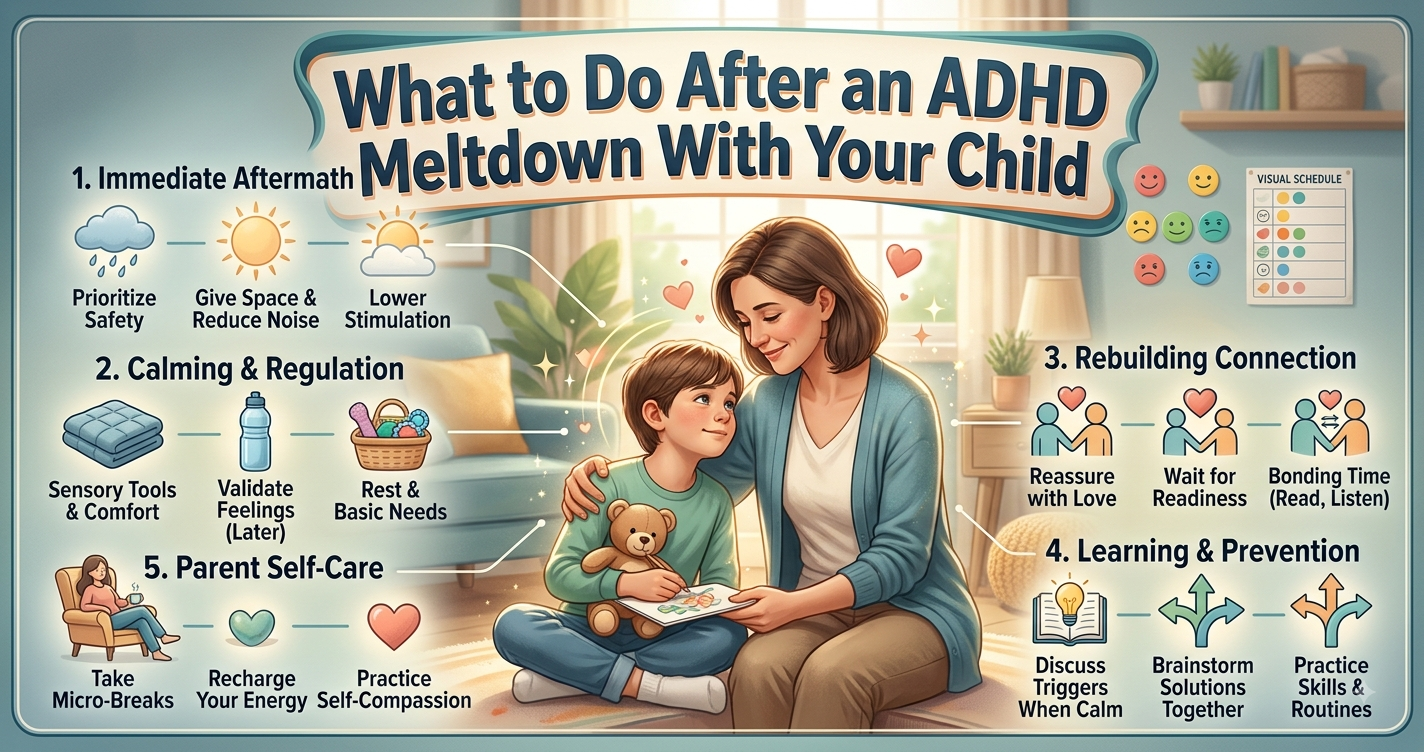
Our guide to what to do after an ADHD meltdown with your child focuses heavily on using that calmer period to identify triggers and make a better plan for next time.
That’s exactly what I’d do here.
Sometimes the Best Fix Happens Before the Transition Ever Begins
This may be the biggest lesson I’ve learned.
I used to think successful transitions were mostly about what I said when it was time to stop.
Now I think a lot of the work happens much earlier.
Before the child starts playing, they know when we’re leaving.
Before the tablet turns on, they know when screen time ends.
Before we go to the park, they know how long we’re staying.
Before homework begins, they know what happens when it’s finished.
The more predictable the day becomes, the fewer times I have to suddenly appear as the person ending something enjoyable.
Routines Won’t Eliminate Every Transition Problem
I wish they did.
Some days my child is tired.
Some activities are especially hard to stop.
Plans change unexpectedly.
Sometimes we’re late.
Sometimes I forget the warning.
Sometimes the child simply doesn’t want to do what comes next.
ADHD doesn’t mean every difficult transition needs an elaborate accommodation.
Children still have to learn that life includes stopping enjoyable things, doing boring things, waiting, leaving, changing plans, and handling disappointment.
What I’m trying to do is give them enough structure and practice that those ordinary parts of life don’t need to become a major battle every single time.
When Transition Problems Need More Support
I’d talk with the child’s pediatrician or another qualified professional if transition difficulties are severe enough to regularly cause prolonged meltdowns, aggression, school refusal, major family disruption, or an inability to participate in ordinary activities.
I’d also pay attention if difficulty with change comes alongside other concerns involving anxiety, development, communication, sensory responses, or behavior.
ADHD can occur alongside other conditions, and emotional or behavioral difficulties can also be affected by stress and major changes in a child’s life. The CDC notes that a thorough evaluation may sometimes be needed to understand what’s driving new or worsening problems.
I don’t need to figure all of that out myself before asking for help.
I Want My Child to Learn How to Shift, Not Simply Obey Faster
That’s the bigger goal for me.
Of course, there are mornings when I’d settle for everyone simply getting into the car on time.
But long term, transition skills matter far beyond childhood.
Stopping one task and beginning another. Leaving something unfinished. Changing plans. Moving from something enjoyable to something necessary. Handling interruptions. Managing time when we’d rather keep doing what we’re doing.
Adults deal with those transitions constantly.
So when my child struggles terribly with them, I’m not only trying to make tonight’s bath easier.
I’m helping build the ability to recognize that something is ending, prepare for what comes next, handle the disappointment of stopping, and move forward without the entire situation falling apart.
That takes practice.
And I’ve found that warnings, predictable routines, smaller instructions, clear boundaries, and a little control over how the transition happens get us much further than repeating “I said NOW” louder and louder.
About the Author: Emily Parker
Emily Parker writes for TheADHDBlog.com about raising and supporting children with ADHD, with a special focus on emotional regulation, transitions, frustration, meltdowns, family routines, and the everyday challenges parents are trying to understand. Her articles combine practical family-focused strategies with established ADHD and pediatric guidance to help parents recognize patterns, build useful skills, and know when additional professional support may be appropriate.