I swear there are days when I feel like I could record myself saying the same five sentences and just press a button whenever I need them.
“Put your shoes on.”
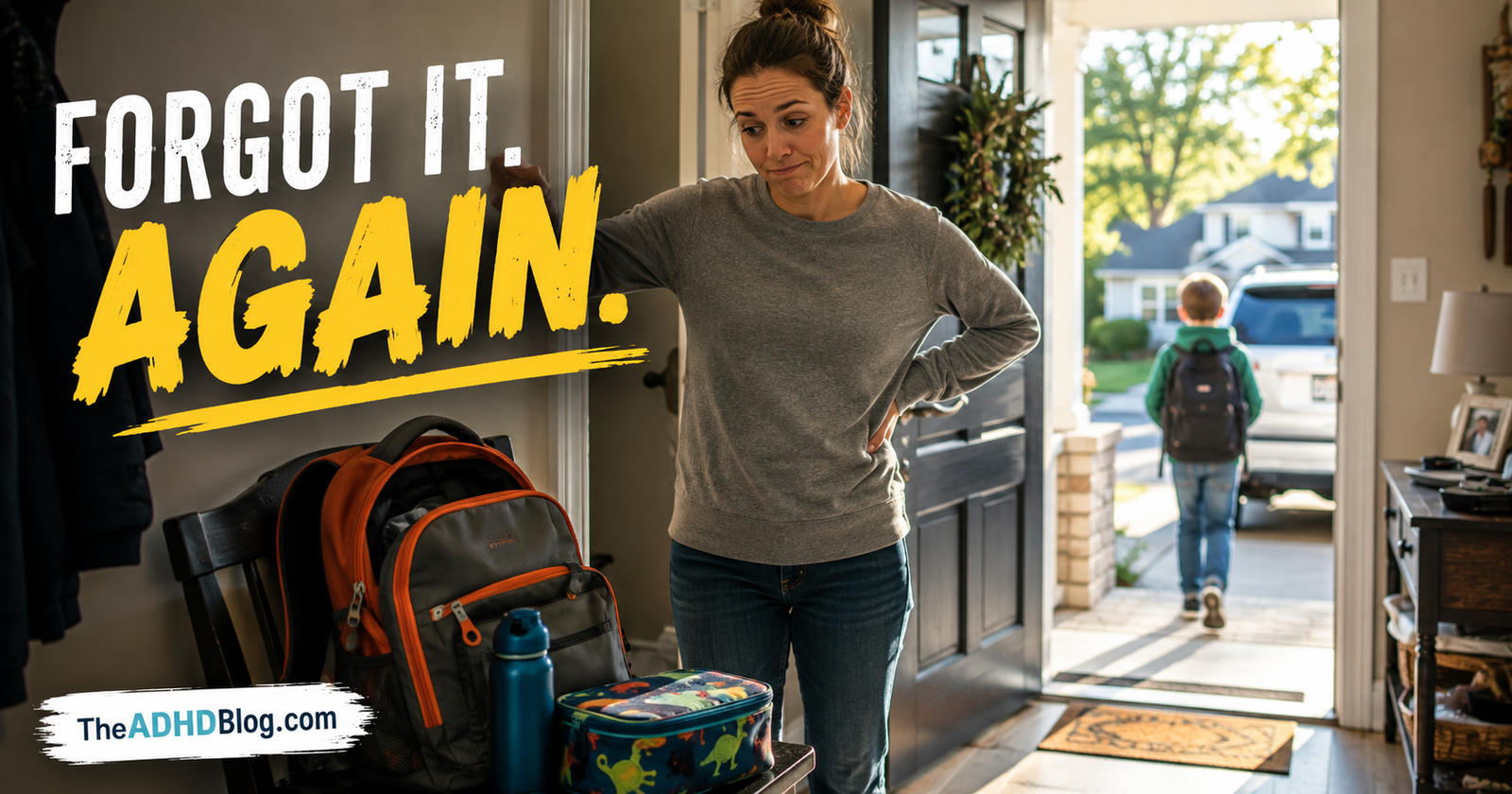
A few minutes later, the shoes are still sitting there.
“Don’t forget your backpack.”
I walk back through the room and the backpack hasn’t moved.
“Go brush your teeth.”
Five minutes later, I find my child doing something completely unrelated.
Then comes the sentence I know plenty of parents have said:
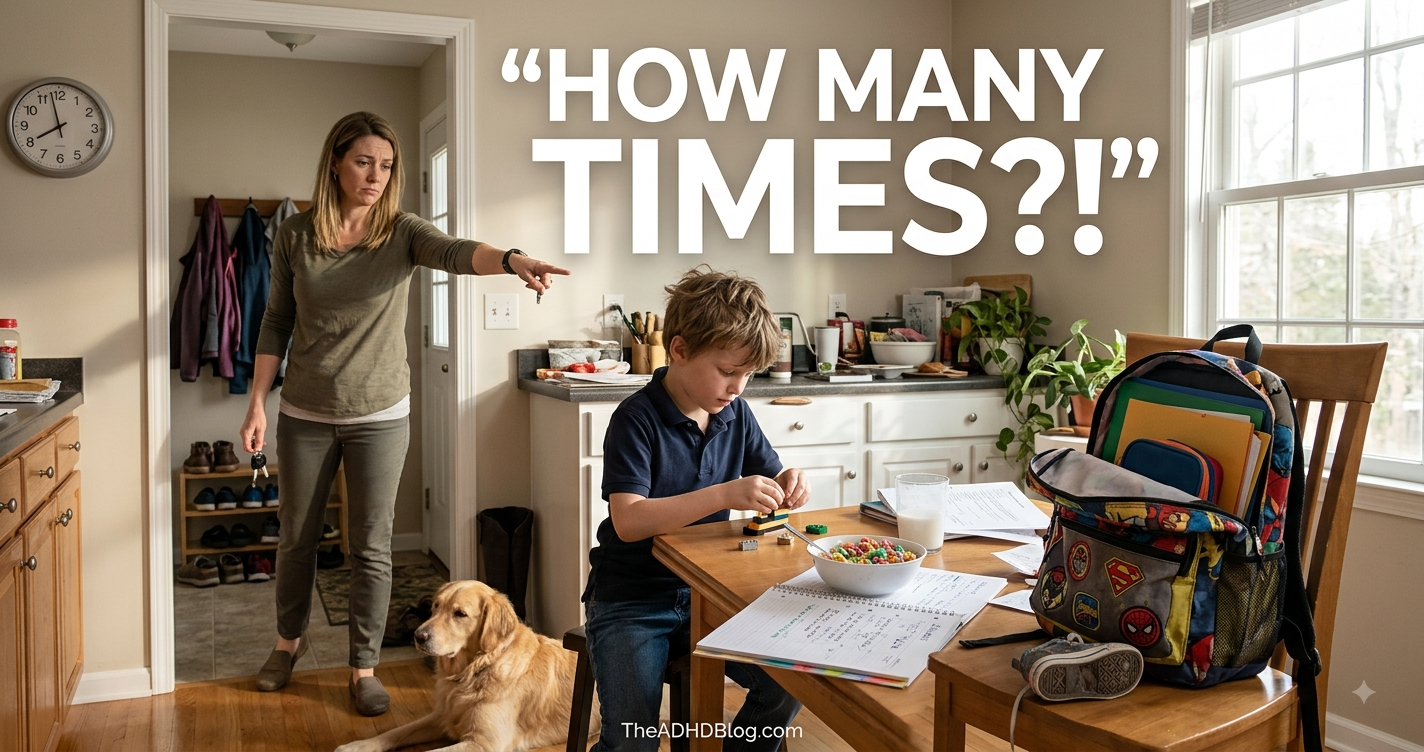
“How many times do I have to tell you?”
When this happens constantly, it can start feeling intentional. My child obviously heard me. I know they understand what shoes are. They know we’re leaving for school. I’ve given this exact instruction hundreds of times.
So why am I still repeating myself?
I’ve found that asking why my ADHD child needs so many reminders gets me much further than assuming they simply don’t care what I say. Understanding the working-memory side of forgetfulness can make repeated reminders feel less like defiance and more like a sign that the instruction is not staying active long enough to use.
Because hearing an instruction, understanding an instruction, remembering it long enough to act on it, getting started, and actually finishing it are not all the same thing.
For many kids with ADHD, that’s exactly where things begin falling apart.
Hearing Me Isn’t the Same as Following Through
This was probably the first thing I needed to understand.
I can say:
“Go upstairs, put your dirty clothes in the hamper, grab your sweatshirt, and bring your water bottle down.”
My child may hear every word.
That doesn’t guarantee all four things are going to happen.
By the time they get upstairs, they notice a toy. Then they remember something they wanted to show me. Then they walk into their bedroom and can’t remember why they’re there.
Ten minutes later I find them sitting on the floor doing something completely unrelated.
From downstairs, this looks like ignoring me.
From their perspective, the original intention may have simply disappeared somewhere along the way.
CHADD notes that executive functioning challenges can contribute to difficulties with remembering information and following through on intentions in children with ADHD.
That doesn’t magically make the morning less frustrating, but it changes what I try next.

ADHD Can Create a Gap Between Knowing and Doing
This is one of the strangest things about parenting a child with ADHD.
Sometimes they absolutely know what they’re supposed to do.
Ask:
“What are you supposed to do with your backpack after school?”
They can tell you.
“Put it by the door.”
Great.
Then tomorrow the backpack is lying in the middle of the living room again.
It’s tempting to think:
If you know the rule, why aren’t you doing it?
But knowledge isn’t necessarily the missing piece.
The challenge may be consistently remembering and carrying out the behavior at the right moment.
That’s why another lecture explaining where the backpack belongs may accomplish almost nothing. The child already knows.

I need to help bridge the gap between knowing what to do and actually doing it when it matters. A practical ADHD parenting guide may offer additional ideas for supporting that gap in daily family routines.

Long Instructions Are Where I Get Myself Into Trouble
I’ve definitely done this.
We’re already running late, so I become more efficient by giving every instruction at once.
“Go get dressed, brush your teeth, put your pajamas away, get your backpack, find your shoes, and make sure your water bottle is filled.”
That’s efficient for me.
It may be terrible for the child.
The CDC recommends clear, brief directions for children with ADHD and suggests breaking complicated tasks into simpler, shorter steps.
So instead of handing over the entire morning in one sentence, I can start with:
“Get dressed.”
Once that’s done:
“Brush your teeth.”
I’m not trying to make my child dependent on me forever. I’m matching the size of the instruction to what they can successfully handle right now.
Then we can gradually build more independence.
Sometimes I Give an Instruction Without Actually Getting Their Attention
This is another mistake I make because family life is busy.
I’m in the kitchen.
My child is watching something or building LEGO in the other room.
I yell:
“Put your shoes on!”
I hear:
“Okay!”
Five minutes later, nothing happened.
Was I ignored?
Maybe.
But sometimes I need to look at what the child was doing when I gave the direction.
Children with ADHD can become deeply absorbed in activities that interest them and may need additional help shifting their attention. The CDC specifically advises extra assistance with shifting attention and additional warnings around transitions.
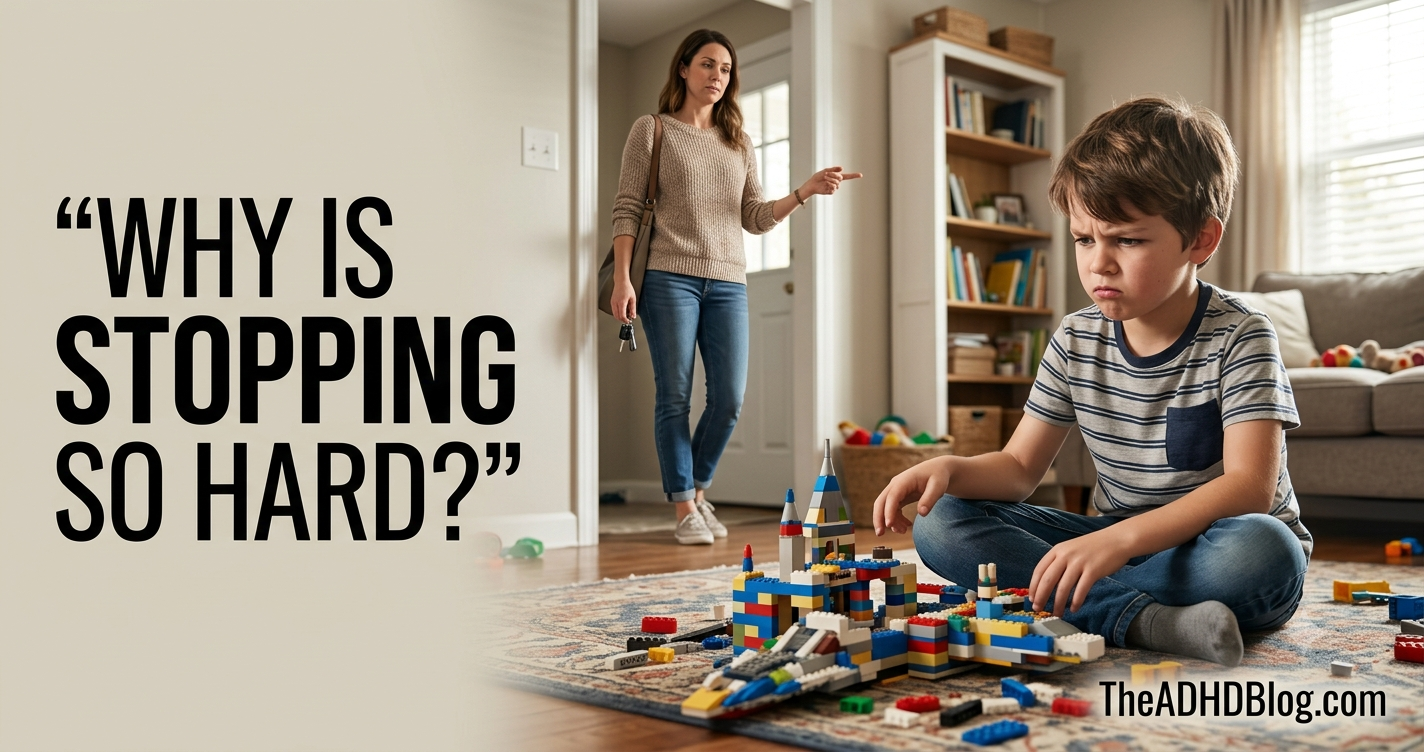
That connects directly to what we covered in why transitions can be so difficult for kids with ADHD.
If my child is intensely engaged in something, shouting an instruction from another room may be one of the least reliable ways to get a task started.
I Get Closer Before Giving an Important Direction
This sounds ridiculously simple, but it can make a difference.
Instead of yelling across the house, I walk over.
I make sure I’ve actually interrupted whatever currently has their attention.
Then I give one clear instruction.
“It’s time to leave. Put your shoes on.”
I don’t necessarily demand prolonged eye contact. I just want some indication that the instruction actually registered.
Sometimes I’ll ask:
“What are you doing next?”
If the answer is:
“Putting my shoes on.”
at least I know we’re starting from the same place.
“Okay!” Doesn’t Always Mean the Task Is Going to Happen
This used to fool me.
I say:
“Go brush your teeth.”
My child says:
“Okay!”
So I mentally check it off.
Then ten minutes later I discover no teeth have been brushed.
I don’t automatically assume the “okay” was dishonest.
At the moment they said it, they may have genuinely intended to do exactly what I asked.
Then something happened between intention and action.
That’s an executive-function problem worth paying attention to.
CHADD describes executive-function challenges in ADHD as contributing to difficulties with follow-through, remembering information, shifting between activities, and carrying intentions into action.
The intention can be completely real.
The follow-through can still fail.

Starting the Task May Be Harder Than the Task Itself
This one shows up everywhere.
Homework isn’t happening.
The room isn’t being cleaned.
The shower hasn’t started.
The child hasn’t gotten dressed.
Once they finally begin, they may actually do fine.
The battle was getting from not doing it to doing it.
That makes me think differently about repeated reminders.
Maybe my child doesn’t need another reminder that homework exists.
Maybe they need help initiating it.
Instead of:
“I’ve told you six times to start your homework!”
I might sit down and say:
“Let’s get the worksheet out. What’s question one?”
I’m helping create momentum.
Once the engine is running, I may be able to step away.
“Clean Your Room” Can Be a Terrible ADHD Instruction
To an adult, this sounds specific.
To a child who struggles with planning and organization, it can be incredibly vague.
What does “clean” mean?
Where do I start?
Clothes?
Toys?
Trash?
Bed?
Books?
What do I do with this thing that doesn’t have a place?
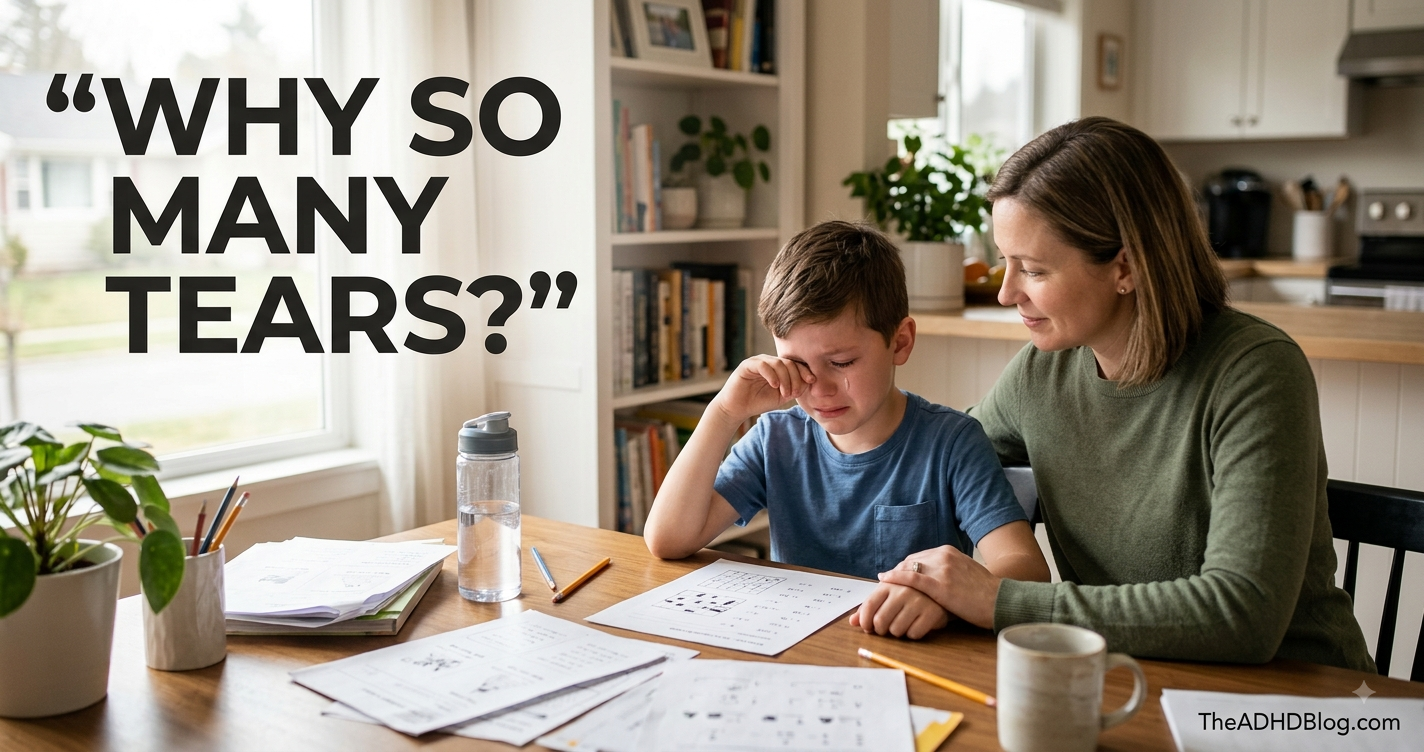
The child walks into the room, looks around, feels overwhelmed, and does nothing.
Then I walk in 20 minutes later and assume they’ve ignored me.

Our article on why ADHD chores can become such a struggle goes much deeper into this problem.
I’ve had better luck shrinking the instruction.
“Put all the dirty clothes in the hamper.”
That’s clear.
When that’s finished:
“Now put the books on the shelf.”
We’re turning one enormous vague task into several visible finish lines.
Constant Reminders Can Eventually Become Background Noise
This is another uncomfortable realization.
If I remind my child about everything all day long, my voice can essentially become the soundtrack of the house.
“Shoes.”
“Backpack.”
“Homework.”
“Pick that up.”
“Come eat.”
“Brush your teeth.”
“Get dressed.”
“Put that away.”
Eventually, another reminder may not feel particularly meaningful.
This is one reason I want routines, checklists, timers, and environmental cues doing some of the reminding.
I don’t want my voice to be the only system holding the child’s day together.
A Routine Can Replace a Surprising Number of Reminders
This is where routines have helped me the most.
Instead of inventing the morning every day, we establish an order.
Wake up, get dressed, eat breakfast, brush teeth, get the backpack, put on shoes, and leave.
The exact routine isn’t important.
The predictability is.
The CDC recommends following a consistent daily routine for children with ADHD, while CHADD also emphasizes structure and clear expectations to help children manage executive-function demands. For practical ideas that extend beyond reminders, see how building effective ADHD routines at home can make everyday tasks more manageable.

That’s also why our ADHD morning routine became so useful.
Instead of me constantly announcing the next task, the routine begins answering:
What happens next?
Visual Checklists Can Get Me Out of the Reminder Business
For some children, a written or picture checklist can work much better than another verbal reminder.
Morning might simply say:
Get dressed, eat breakfast, brush teeth, backpack, shoes.
For a younger child, pictures may work better.
For an older child, a basic checklist on a dry-erase board may be enough.
I don’t need an elaborate ADHD command center covering an entire wall.
I need something the child can actually look at without me standing there.
Then instead of saying:
“Brush your teeth!”
I can say:
“Check your list.”
That’s a subtle but important shift.
I’m teaching the child to use an external system instead of relying entirely on me to remember everything for them.
Put Important Things Where the Behavior Actually Happens
This is another strategy I love because it doesn’t require the child to remember as much.
If the backpack needs to leave with us every morning, give it a permanent place near the exit.
If shoes constantly disappear, establish one place for shoes.
If school papers need signing, create one spot for them.
The CDC recommends keeping commonly used belongings such as schoolbags, clothing, and toys in consistent places so children with ADHD are less likely to lose them.
That’s not babying a child.
Adults do the same thing.
I keep my keys somewhere predictable because I don’t want to conduct a scavenger hunt every time I leave the house.
Good systems reduce how much memory we need.
Stop Asking Questions When You’re Actually Giving Directions
I’ve caught myself doing this too.
“Can you put your shoes on?”
The child says:
“In a minute.”
Technically, I asked a question.
If there’s no choice, I try to make the instruction sound like an instruction.
“It’s time to leave. Put your shoes on, please.”
The choice can come somewhere else.
“Do you want the black shoes or the blue ones?”
Now the expectation is clear, but the child still gets some control.
The CDC recommends limiting choices to a small number of options to reduce overwhelm for children with ADHD.
Give Enough Time for the Child to Actually Respond
Sometimes I become the problem here.
“Put your shoes on.”
Three seconds later:
“Shoes. I said put your shoes on.”
Then:
“Why aren’t you putting your shoes on?”
I haven’t even given the child enough time to disengage, process what I said, and start moving.
I want to give a clear direction and then allow a reasonable moment for action before repeating it.
That doesn’t mean waiting 20 minutes.
It means not turning one instruction into five instructions before the child has had a chance to comply.
Don’t Add Four More Instructions Once They Start
This is another trap.
My child finally starts putting shoes on.
Great.
So I immediately say:
“And grab your backpack, put your cup in the sink, get your sweatshirt, and don’t forget your folder.”
I’ve just loaded the system back up again.
If we’re working on one-step directions, I need to actually let the child complete the step.
Shoes first.
Then the next thing.
As their ability improves, I can gradually combine steps.
Homework Reminders Can Become an Entire Evening
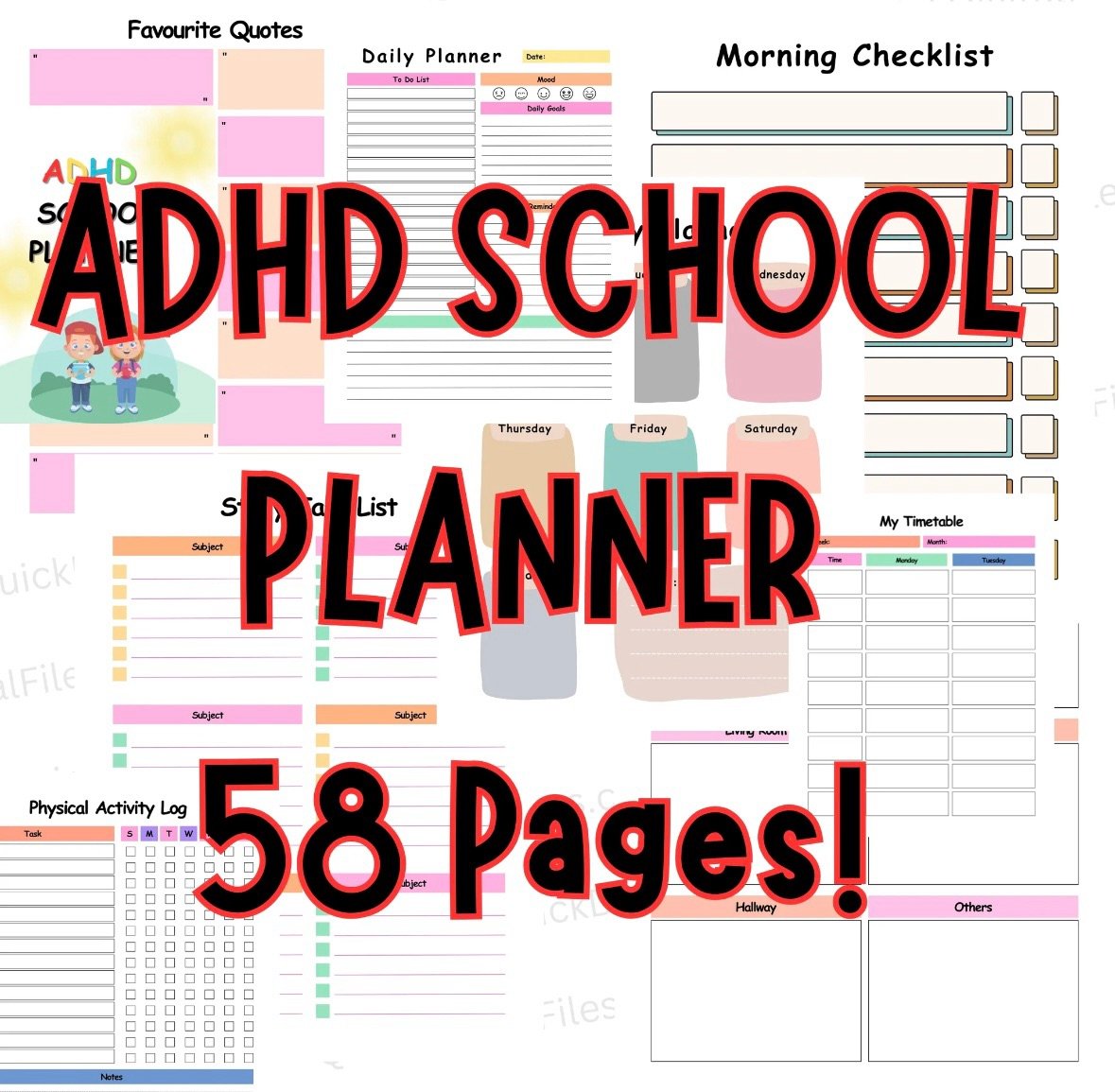
Homework creates a particularly frustrating version of this. A simple organizational aid such as an ADHD homework planner may make the homework routine easier to start and follow.
“Start your homework.”
“Did you start your homework?”
“Where’s your homework?”
“Why aren’t you doing your homework?”
Eventually I’ve spent more energy reminding than the assignment should have required.

Our ADHD homework tips for parents focus on reducing the friction around getting started, managing distractions, breaking assignments down, and creating a workable routine.
Sometimes another reminder isn’t the missing ingredient.
The entire homework setup needs improvement.
Getting Angry Can Make Following Through Even Harder
This is where the cycle becomes ugly.
I remind.
Nothing happens.
I remind again.
Still nothing.
By the fifth reminder, I’m irritated.
Now my tone changes.
The child gets defensive.
Suddenly we’re arguing about how I said it instead of doing the original task.
For a child who already reacts strongly to correction, this can escalate extremely quickly. That’s why understanding why ADHD children can become so upset when corrected can matter here.
I still need the direction followed.
But anger isn’t necessarily improving the child’s working memory, task initiation, or ability to shift attention.
Often it’s adding another problem.
Constant Reminders Can Start Feeling Like Constant Criticism
This is another reason I want to reduce them.
From my perspective, I’m helping.
From my child’s perspective, they may hear all day long about what they haven’t done yet.

That can become especially difficult for a child who already takes ordinary comments and corrections very personally.
I don’t want the majority of our interactions to become instructions.
That’s not good for either of us.
The more routines and systems can handle predictable tasks, the more room we have for conversations that aren’t about shoes, homework, dishes, backpacks, and brushing teeth.
Praise Follow-Through When It Happens
This is easy to overlook because we’re relieved the task finally got done.
But if my child usually needs five reminders and today they did it after one, I want to notice.
“You got your shoes on the first time I asked. That really helped us get out the door.”
That’s specific.
The child knows exactly what went well.
The CDC recommends praise and other positive reinforcement as part of behavior management for ADHD.
I’m not throwing a parade because somebody put shoes on.
I’m reinforcing the exact skill we’re trying to improve.
Gradually Move the Responsibility Away From Yourself
This is important because I don’t want to remind my child about everything forever.
If I currently give ten reminders every morning, the goal isn’t simply becoming calmer while giving those same ten reminders for the next decade.
I want to transfer responsibility.
Maybe initially I walk the child through the morning checklist.
Then I point toward it.
Eventually I say:
“Check what comes next.”
Later, perhaps I don’t need to say anything.
That’s progress.
We’re moving the executive-function support outside of my constant verbal prompting and gradually teaching the child to use systems independently.
What If My Child Says “I Forgot” About Everything?
This can sound like an excuse after the hundredth time.
Sometimes it probably is.
But forgetting is also genuinely part of ADHD for many children. The CDC includes frequently forgetting or losing things among common ADHD symptoms.
I still expect the behavior to improve.
I just don’t think:
“Well, remember next time!”
is much of a strategy.
If something repeatedly gets forgotten, I ask what can make remembering more automatic.
A checklist?
Alarm?
Permanent location?
Note?
Routine?
Visual cue?
Something attached to another habit?
We’re designing around a predictable problem.
What If They Remember Things They Actually Want to Do?
This is where parents can become understandably skeptical.
My child forgets to put away their backpack but somehow remembers exactly when a new game update comes out.
They forget three chores but remember that I promised ice cream on Saturday.
That can make ADHD look selective.
But attention and motivation in ADHD aren’t necessarily evenly distributed across every activity. CHADD notes that children with ADHD may maintain strong attention for highly interesting activities while having much greater difficulty allocating attention to less preferred ones.
So yes, your child may remember something exciting much more easily than putting laundry away.
That doesn’t prove the laundry problem is fake.
It tells us something about what naturally captures and maintains their attention.
Sometimes the Reminder Problem Is Really a Transition Problem
This connection is worth watching.
Maybe I think:
My child never listens when I say it’s time for a bath.
But the child is currently playing a game.
The real difficulty may not be remembering the bath.
It may be disengaging from the game.
That’s why the article we just published about why transitions are so hard for kids with ADHD fits naturally here.
A warning before the transition may work better than ten reminders after I expect it to happen.
What If Repeating Myself Turns Into Screaming?
This happens in both directions.
I get louder because I’m frustrated.
My child gets louder because they’re frustrated.
Soon nobody remembers that the original problem was putting on socks.
If your child tends to go from frustration to yelling quickly, our guide on why ADHD children may scream when frustrated goes deeper into that pattern.
My goal is to avoid turning a follow-through problem into an emotional-regulation crisis whenever possible.
The socks still need to go on.
We just don’t need a family explosion to accomplish it.
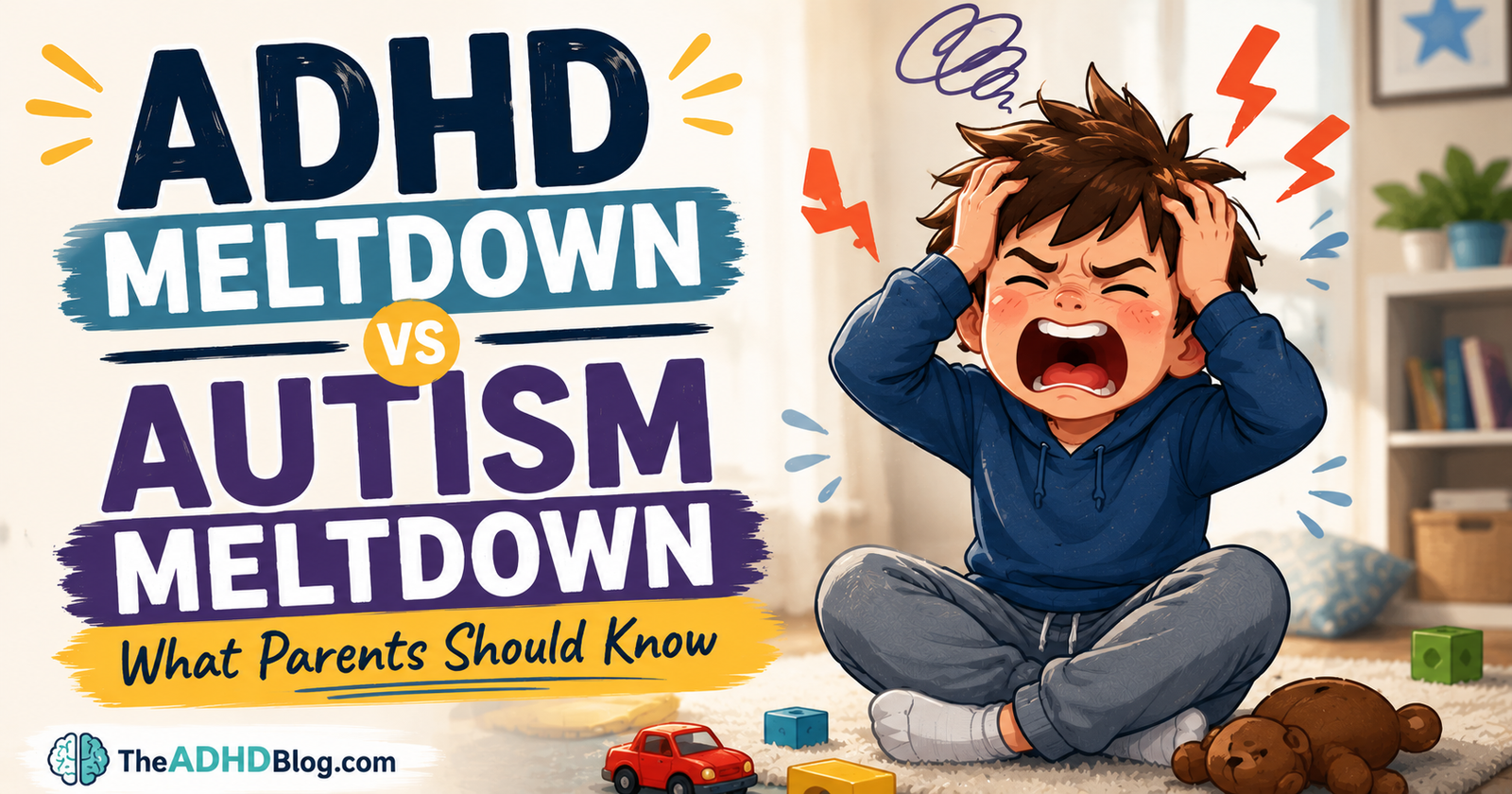
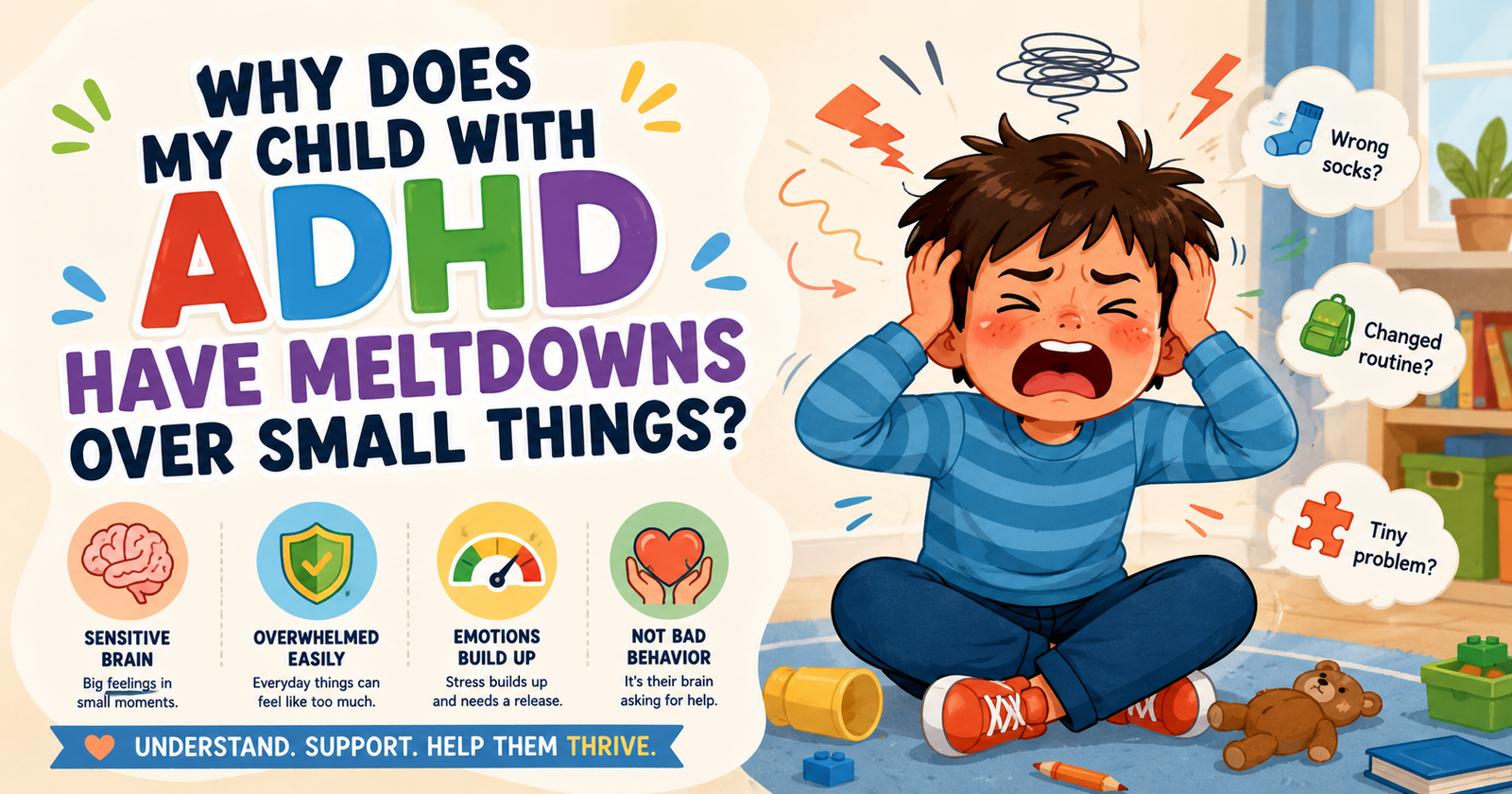
And Sometimes It Turns Into a Full Meltdown
If repeated directions, rushing, frustration, and arguing push the child into a genuine meltdown, I change goals temporarily.
I’m no longer trying to deliver the world’s greatest lecture about listening.
I need to deal with the dysregulation.
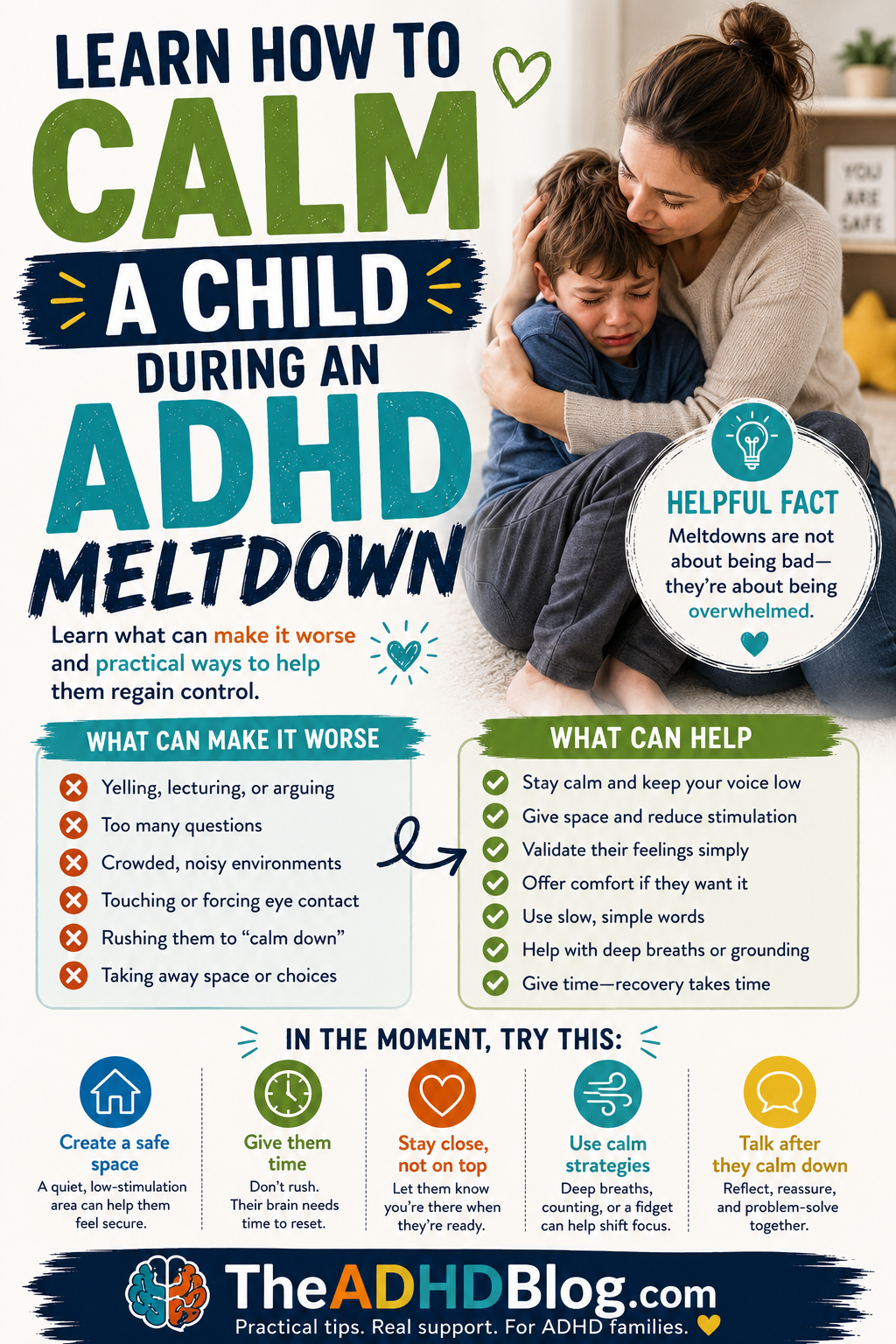
Our guide on how to calm a child during an ADHD meltdown explains how I approach that stage with fewer words, less arguing, appropriate space, and a focus on getting everyone regulated.
Once everyone is calm, we can figure out why the original direction failed.
Track Which Instructions Require the Most Repeating
If you feel like you’re repeating everything, write it down for a few days.
You may find that the problem is much narrower than it feels.
Maybe mornings are terrible but evenings are fine.
Maybe transitions away from screens require constant reminders.
Maybe chores are the problem.
Maybe multi-step instructions disappear, while single-step instructions work well.
Maybe your child follows through much better when you’re physically nearby.
Maybe the hardest times happen when they’re tired or hungry.
That’s useful information because it tells me what kind of support to try.
Don’t Assume Every Failure to Follow Directions Is ADHD
This matters too.
Children sometimes don’t want to do what we tell them.
They test boundaries.
They become distracted for ordinary reasons.
They can be tired, stressed, anxious, upset, confused, or simply resistant.
An ADHD diagnosis doesn’t turn every ignored instruction into a neurological event.
If difficulties with behavior or emotions suddenly become much worse, the CDC notes that stress, changes in routine, and other concerns can sometimes contribute, and further evaluation may be appropriate when new problems persist.
I want to understand the pattern rather than automatically attributing everything to ADHD.
When Constant Reminders Are Causing Major Problems
I’d talk with the child’s pediatrician, ADHD treatment provider, or school team if difficulty following directions is significantly interfering with school, home life, friendships, or basic daily functioning despite consistent support.
Treatment and behavioral strategies can help.
Parent training in behavior management is one established ADHD intervention, and the CDC recommends behavioral approaches that include structure, clear communication, realistic goals, and positive reinforcement.
If the child understands expectations but seems consistently unable to carry them out, that’s useful information to bring to the professionals involved in their care.
My Goal Is to Need Fewer Reminders, Not Become Better at Nagging
That’s really what all of this comes down to for me.
If I’m telling my ADHD child everything ten times, I don’t want my long-term solution to be learning how to say it ten times more patiently.
I want to figure out why the first instruction isn’t turning into action.
Maybe I gave too many steps.
Maybe I never actually got their attention.
Maybe they’re struggling to stop the activity they’re currently doing.
Maybe the task is too vague.
Maybe they need a visual checklist.
Maybe the environment is full of distractions.
Maybe the task needs a predictable place in the routine.
Maybe we’re expecting a level of independent organization they haven’t developed yet.
Once I know where the breakdown is happening, I can put support there.
Then, little by little, I want to remove myself from the process.
The reminder becomes a checklist. The checklist becomes a routine. The routine becomes a habit. And eventually, something that once required me to say “I’ve told you five times already!” may start happening without me saying anything at all.
That’s the kind of progress I’m looking for.
About the Author: Emily Parker
Emily Parker writes for TheADHDBlog.com about raising and supporting children with ADHD, with a special focus on executive-function challenges, emotional regulation, routines, transitions, meltdowns, and the everyday behaviors that can make family life harder than parents expected. Her articles combine practical family-focused strategies with established ADHD and pediatric guidance to help parents understand what may be happening underneath the behavior and build systems that actually help.