
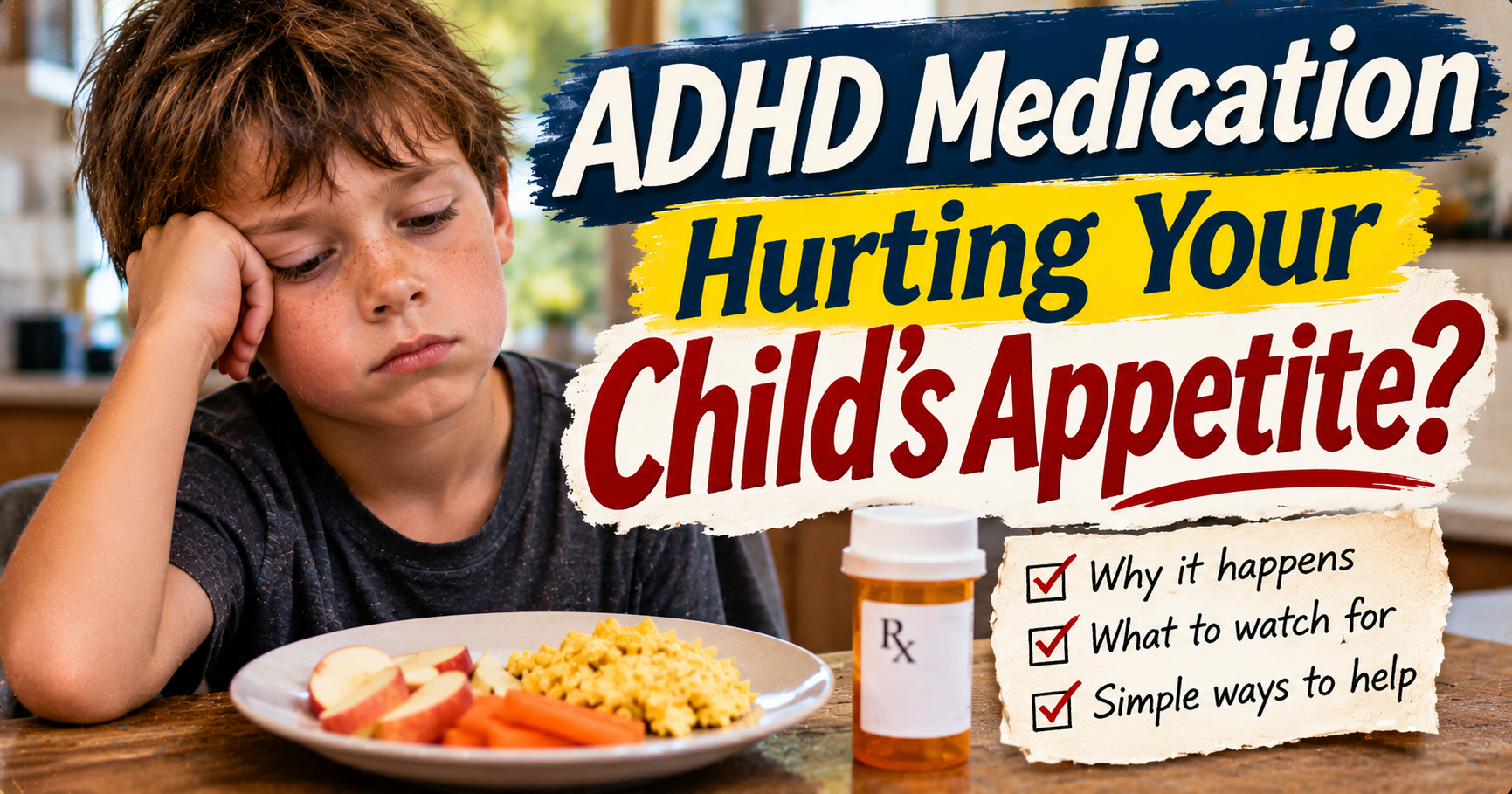
If your child isn’t eating much on ADHD medication, you might be wondering whether it’s normal, how long it will last, and what you’re supposed to do when they barely touch their lunch. Appetite loss is a known side effect of certain ADHD medications, particularly stimulants, and it can be frustrating for parents who are already trying to manage a dozen other challenges.
My wife and I know how complicated finding the right ADHD medication can be.
Our 7-year-old son has significant ADHD challenges, even with medication and regular care from his mental health doctor. We’ve spent more than a year trying different medications, dealing with side effects, and figuring out what might actually help him.
Appetite changes have been part of that experience. In one of our medication updates, we noted that his appetite was decent but not quite what it had been before his medication changes.
And when you’re already concerned about your child’s focus, emotions, anxiety, and sleep, wondering whether they’re eating enough is another thing to worry about.
The good news is that there are practical ways to approach ADHD medication appetite loss. But it’s also important to know when the problem deserves a conversation with your child’s doctor.

Why Does ADHD Medication Make Some Kids Not Want to Eat?
One of the most common side effects of stimulant ADHD medications is reduced appetite.
Medications such as Vyvanse, Adderall, Ritalin, and Concerta can make some children feel less hungry while the medicine is active.
That doesn’t mean every child will experience appetite loss.
Some children eat fairly normally. Others have a noticeable decrease in hunger, particularly during the school day.
Why Does Hunger Seem to Disappear Around Lunchtime?
Stimulant medications affect brain signaling involved in attention and behavior. They can also reduce feelings of hunger.
For some children, the medication is working strongly around the same time they’re supposed to eat lunch.
So while everyone else is opening their lunchboxes, your child might genuinely feel like they don’t need anything.
It’s not necessarily that they dislike the food.
They simply aren’t hungry.
Boston Children’s Hospital explains that children taking stimulant ADHD medications may have less appetite during the day, with hunger returning as the medication wears off.
Is Appetite Loss Always Caused by Medication?
No.
Children can eat less for many reasons.
Illness, anxiety, constipation, changes in routine, sensory sensitivities, and ordinary food preferences can all affect appetite.
That’s why it’s helpful to look at the bigger picture.
Did the appetite change begin after starting a medication?
Does your child eat more in the evening?
Are they avoiding particular foods?
Have they been losing weight?
Those details can help you and your child’s doctor understand what’s happening.
Why Won’t My Child Eat Lunch at School on ADHD Medication?
This is one of the situations that can make parents particularly nervous.
You pack a lunch.
Your child goes to school.
And when they come home, most of the food is still sitting in the lunchbox.
Now you’re wondering whether they ate enough to get through the day.
School Lunch Can Be Difficult for Several Reasons
Medication-related appetite suppression is one possibility, but it isn’t the only one.
Think about everything happening during a typical elementary school lunch period.
There are children talking, chairs moving, food being passed around, and a limited amount of time to eat.
For a child with ADHD, that environment can create additional distractions.
Some children may also rush through lunch because they’re eager to get to recess.
Others might struggle with opening containers or simply become distracted while eating.
When medication reduces hunger on top of those distractions, lunch can become even more difficult.
What Can Parents Do?
Rather than immediately pressuring your child to finish everything, start by figuring out what’s happening.
You could ask:
“Did you feel hungry at lunch today?”
“Did you have enough time to eat?”
“Was something bothering you?”
“Did you just want to get outside and play?”
If your child repeatedly comes home with untouched food, consider asking their teacher whether they’ve noticed anything unusual.
A little information can make a big difference.
What Foods Can Help When ADHD Medication Reduces Appetite?
When a child isn’t very hungry, offering enormous meals may not be particularly helpful.
Instead, it can make sense to focus on nutritious foods that provide useful energy and nutrients in smaller portions.
The goal isn’t to force a child to eat.
It’s to make eating easier during the times they actually feel hungry.
Breakfast Can Be Especially Important
For some children taking stimulant medications, appetite is better before the medication becomes active.
That makes breakfast an important opportunity.
Depending on your child’s preferences, breakfast options might include:
- Eggs with toast.
- Yogurt with fruit.
- Peanut butter toast, if allergies aren’t a concern.
- Oatmeal made with milk.
- Cheese and a breakfast sandwich.
- A smoothie with yogurt and fruit.
These aren’t magic ADHD foods.
They’re simply practical options that can provide protein, carbohydrates, and other nutrients.
If your child has dietary restrictions, allergies, or significant weight concerns, ask their clinician for individualized advice.
Make Lunch Easy to Eat
A complicated lunch might look wonderful when you’re packing it.
But if your child only has a short lunch period and isn’t very hungry, simplicity may be more useful.
Consider packing familiar foods in manageable portions.
For example, a small sandwich, cheese, fruit, and another food your child enjoys may be easier to approach than a large meal.
The important thing is choosing foods your child will realistically eat.
And if they’re consistently skipping lunch, discuss the problem with their doctor rather than relying on food changes alone.
Why Is My Child Starving at Night After ADHD Medication?
Here’s something parents sometimes notice.
Their child barely eats during the day.
Then evening arrives, and suddenly they’re hungry.
Really hungry.
It’s almost like their appetite finally remembered it had a job to do.
Hunger Can Return as Medication Wears Off
Some stimulant medications suppress appetite while they’re active.
As their effects decrease, hunger may return.
That can mean a child who barely touched lunch suddenly wants dinner and another snack later.
This pattern isn’t unusual, but it doesn’t happen to everyone.
The timing depends on the medication, formulation, dose, and individual response.
Should We Offer an Evening Snack?
For some children, an additional nutritious snack in the evening can help them get enough food over the course of the day.
Options might include yogurt, cheese, a sandwich, or another familiar food.
However, if your child regularly eats very little during the day, it’s important to discuss their overall nutrition and growth with their healthcare professional.
A child eating more at night doesn’t automatically mean they’re getting everything they need.
Watch for Other Changes in the Evening
Appetite isn’t the only thing that can change as ADHD medication wears off.
Some children experience increased irritability or emotional difficulties during that period.
This is sometimes called medication rebound.
But being hungry, tired, or overwhelmed can also affect behavior.
That’s why recording both food intake and emotional changes may be useful.
If afternoons and evenings are particularly difficult, our article about why some children with ADHD struggle more at home after school explores other factors that can contribute.
Can Vyvanse Cause Appetite Loss in Children?
Yes. Decreased appetite is a recognized side effect of Vyvanse.
Vyvanse contains lisdexamfetamine, a stimulant medication used to treat ADHD in children ages six and older.
Like other stimulant medications, it can reduce hunger while it’s active.
Our Family’s Experience With Vyvanse
Vyvanse is one of the medications our son has taken during our ongoing ADHD treatment journey.
We’ve tried different medications and dosages over time, and finding something that helps without creating other significant problems has been challenging.
On December 29, 2025, we recorded that his appetite was decent, although not as normal as it had been before his recent medication changes.
That observation alone doesn’t establish that Vyvanse caused the change.
It’s simply one detail from our family’s medication history.
And that’s an important distinction.
We want to share what actually happened without pretending we know the medical explanation for every reaction.
What If Appetite Loss Continues?
If your child is taking Vyvanse and consistently eating less, contact their prescriber.
The doctor may review their growth, weight, nutritional intake, medication timing, and overall response.
Never adjust the dose or stop prescribed medication on your own.
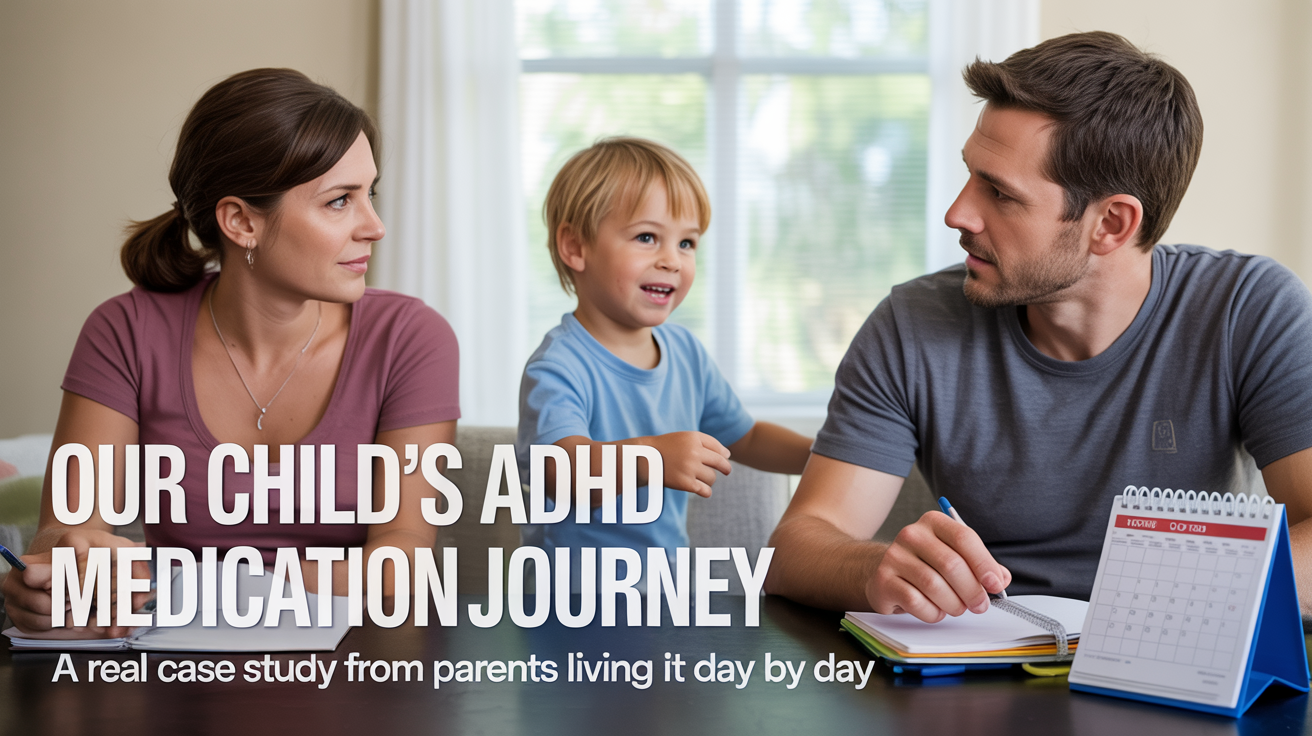
We’ve documented our experiences with Vyvanse, Adderall, Focalin, Quillivant XR, Qelbree, and other treatments in our child’s ongoing ADHD medication case study.
It’s a real record of what we’ve observed, including the difficult parts.
How Can We Tell if Our Child Is Eating Enough?
This is where I think parents need to look beyond one unfinished lunch.
A child occasionally eating less than usual isn’t necessarily a serious problem.
But persistent appetite loss deserves attention, particularly when medication is involved.
Don’t Judge Everything by One Meal
Children’s appetites naturally vary.
Some days they’re hungry.
Other days they aren’t.
Instead of focusing entirely on whether they finished lunch, consider their overall eating patterns.
Are they eating breakfast?
Do they eat dinner?
Are they getting a reasonable variety of foods?
Are they maintaining their expected growth?
These are questions worth discussing with their pediatrician.
Growth Matters More Than Guesswork
A child’s doctor can monitor height, weight, and growth trends over time.
That’s particularly important for children taking stimulant medications.
If growth slows or weight changes become concerning, the doctor can evaluate whether medication, nutrition, or another factor may be contributing.
Parents shouldn’t have to guess whether a child’s reduced appetite is affecting their health.

Should We Change ADHD Medication if Our Child Won’t Eat?
Sometimes medication changes are considered when appetite suppression becomes a significant problem.
But that’s a decision to make with the prescribing clinician.
There isn’t one ADHD medication that works best for every child.
And changing medication can involve balancing several different concerns.
Finding the Right Balance Can Be Difficult
This is something my wife and I know very well.
Our son has struggled with ADHD symptoms that significantly affect school and daily life.
We’ve tried multiple medications, and some caused side effects that were difficult to watch.
Others simply didn’t help enough.
As parents, we want him to be able to focus, learn, manage his emotions, and enjoy being a kid.
But we also want him sleeping, eating, and feeling like himself.
Those things all matter.
What Should We Tell the Doctor?
Specific observations are more useful than simply saying, “He isn’t eating.”
Try recording:
- When the appetite change began.
- What medication and dose your child is prescribed.
- When they take their medication.
- Whether breakfast, lunch, or dinner is most affected.
- Any noticeable weight changes.
- Changes in sleep, mood, or energy.
- Whether appetite improves later in the day.
These notes can help the doctor decide what needs further evaluation.
And if your child is barely eating or drinking, seems dehydrated, is losing significant weight, or appears unusually weak, seek prompt medical advice rather than waiting for the next routine appointment.
Common Questions About ADHD Medication and Appetite
How Long Does Appetite Loss Last With ADHD Medication?
It varies.
Some children experience reduced appetite when they first start a stimulant, and the side effect becomes less noticeable over time.
For others, appetite suppression continues while the medication is active.
If it’s affecting your child’s nutrition or growth, discuss it with their doctor.
Is It Normal for a Child on ADHD Medication to Skip Lunch?
It can happen, especially with stimulant medications that reduce hunger during school hours.
However, consistently skipping meals shouldn’t automatically be dismissed as normal.
Your child’s clinician can help determine whether they’re getting enough nutrition.
Does Adderall Make Kids Lose Their Appetite?
Yes. Decreased appetite is a known possible side effect of Adderall.
The severity varies between children.
Does Ritalin Cause Appetite Problems?
Yes. Ritalin and other methylphenidate-based medications can reduce appetite in some children.
If appetite loss becomes concerning, discuss it with the prescriber.
Can ADHD Medication Cause Weight Loss?
Some stimulant ADHD medications can contribute to weight loss or slower-than-expected weight gain.
That’s one reason clinicians monitor growth in children receiving treatment.
Should I Force My Child to Eat While Taking ADHD Medication?
Pressuring or punishing a child for not eating is generally not a helpful approach.
Offer appropriate foods, maintain a supportive mealtime environment, and discuss persistent appetite problems with their healthcare professional.
Can a Child Take ADHD Medication With Food?
Some ADHD medications can be taken with food, but instructions differ by medication and formulation.
Follow the prescribing information and ask your pharmacist or prescriber about the specific medication your child takes.
Don’t change how or when medication is given without checking first.
What We’ve Learned About Appetite and ADHD Medication
One thing our family’s ADHD journey has taught us is that medication decisions are rarely simple.
We might be hoping for better focus at school, fewer emotional struggles, or an easier time getting through daily routines.
But then another concern appears.
Maybe it’s sleep.
Maybe it’s irritability.
Or maybe it’s a child who suddenly isn’t interested in eating lunch.
That’s why I think it’s important for parents to pay attention to the whole picture rather than judging a medication by one improvement or one difficult day.
Our son is still young, and we’re continuing to work with his mental health doctor to manage the challenges ADHD brings into his life.
We don’t have all the answers.
But we can share what we’ve experienced, learn from trustworthy medical information, and keep asking questions when something doesn’t seem right.
If your child isn’t eating much on ADHD medication, don’t ignore the concern, but don’t assume it means treatment can’t work either.
Keep track of what you’re noticing, talk with their healthcare professional, and remember that your child’s overall well-being matters just as much as their ability to focus.
You can find more of our family’s ADHD experiences right here on The ADHD Blog, and you’re welcome to follow our family ADHD updates on Facebook as we continue sharing what we’re learning.