
When ADHD medication makes your child angry, emotional, or unusually irritable, it can leave you wondering whether the medicine is helping or making things worse. You start treatment hoping your child will have an easier time focusing, learning, and managing everyday life. Then suddenly, you’re dealing with crying, frustration, or behavior that seems completely different from what you’re used to.
My wife and I know how difficult that can be.
Our 7-year-old son has significant ADHD challenges. Even with medication and ongoing care from his mental health doctor, school, emotional regulation, and daily routines can be difficult for him.
We’ve spent more than a year trying different ADHD medications. Some didn’t help enough, while others were associated with emotional reactions that genuinely concerned us.
One of the hardest parts has been figuring out whether a difficult day is caused by ADHD itself, anxiety, poor sleep, medication side effects, or some combination of those things.
ADHD medication can cause irritability or mood changes in some children, but not every angry outburst is caused by medication.
Understanding when the behavior happens, how severe it becomes, and what changed recently can help parents have a more productive conversation with their child’s doctor.

Why Does ADHD Medication Make Some Children Angry?
ADHD medications are intended to improve symptoms such as inattention, hyperactivity, and impulsivity.
For many children, they can make a meaningful difference in school and everyday functioning.
But no medication works perfectly for every child.
Some children experience side effects that affect their mood or behavior.
Stimulant medications, including Adderall, Vyvanse, Ritalin, and Concerta, can sometimes be associated with irritability, emotional changes, or difficulty sleeping.
And when a child already struggles with managing frustration, those changes can be particularly challenging.
Anger Doesn’t Always Mean the Medication Is Wrong
This is an important distinction.
A child who becomes angry while taking ADHD medication isn’t necessarily experiencing a medication side effect.
Children with ADHD can struggle with emotional regulation even when they aren’t taking medication.
They may also experience anxiety, learning difficulties, poor sleep, or stressful situations at school.
That’s why the timing and circumstances matter.
For example, consider two situations.
Situation one: A child becomes unusually irritable shortly after starting a new medication, and the behavior happens repeatedly while the medication is active.
Situation two: A child behaves relatively well during the day but becomes upset around the same time every afternoon as their medication wears off.
Both deserve attention, but they may have different explanations.
Why We Pay Attention to Behavioral Changes
Our son has experienced emotional difficulties throughout his ADHD journey.
That means we can’t automatically assume every difficult behavior is caused by medication.
But we’ve also seen concerning changes during particular medication trials.
Those experiences taught us how important it is to document what actually happened instead of relying on memory alone.
When you’re dealing with several medication changes, doctor appointments, and difficult days, details can become surprisingly hard to remember.
And those details may be exactly what the prescribing clinician needs.

What Is ADHD Medication Rebound?
One term parents may encounter when researching ADHD medication and anger is rebound.
ADHD medication rebound refers to a temporary return or worsening of symptoms as certain stimulant medications wear off.
It can involve irritability, emotional outbursts, restlessness, or increased hyperactivity.
According to the American Academy of Pediatrics, some children experience moodiness or behavioral difficulties as stimulant medication effects decrease.
What Does Medication Rebound Look Like?
Imagine your child takes their medication before school.
During the day, their focus or behavior seems somewhat improved.
Then late afternoon arrives.
Suddenly, they’re more irritable, easily frustrated, or unusually emotional.
A simple request becomes an argument.
Something that wouldn’t normally upset them leads to crying or yelling.
That pattern may raise the possibility of medication rebound.
However, it isn’t enough to diagnose rebound by itself.
Children can also become overwhelmed after school because they’re tired, hungry, anxious, or mentally exhausted.
How Can Parents Recognize a Pattern?
Rather than guessing, try keeping a simple record.
- Medication time: Write down when your child took their prescribed medication.
- Behavior changes: Note when irritability or anger began.
- Duration: Record approximately how long the difficult behavior lasted.
- Food intake: Consider whether your child ate normally that day.
- Sleep: Note whether they slept poorly the previous night.
- School events: Record anything unusual or upsetting that happened.
- Recovery: Note when their behavior seemed to return to normal.
You don’t need a complicated spreadsheet.
A few sentences in your phone can be useful.
If a similar pattern happens repeatedly, share those observations with your child’s prescriber.
Can ADHD Medication Cause Mood Swings Throughout the Day?
Yes, some children experience changes in mood while taking ADHD medication.
But the phrase mood swings can describe several different situations.
One child might become tearful.
Another might seem unusually quiet or withdrawn.
Someone else may become irritable or react strongly to frustration.
And some children experience emotional difficulties that were already present before treatment.
Why Timing Matters
One of the most useful questions is:
When does the behavior happen?
If irritability appears while medication is active, the prescriber may consider whether it could be a medication-related adverse effect.
If it appears primarily as a stimulant wears off, rebound may be considered.
If it happens throughout the day, including before medication or on days when the child isn’t taking a stimulant, other explanations may need evaluation.
That doesn’t mean parents should experiment with stopping medication to test a theory.
It means the timing of symptoms can provide useful information for the clinician.
Don’t Forget About Sleep and Appetite
This is another reason ADHD treatment can become complicated.
Some medications affect appetite or sleep.
A child who hasn’t eaten much during the day may be hungry and uncomfortable by evening.
A child who slept poorly may have less patience and more difficulty managing emotions.
Those factors can overlap with ADHD symptoms and medication effects.
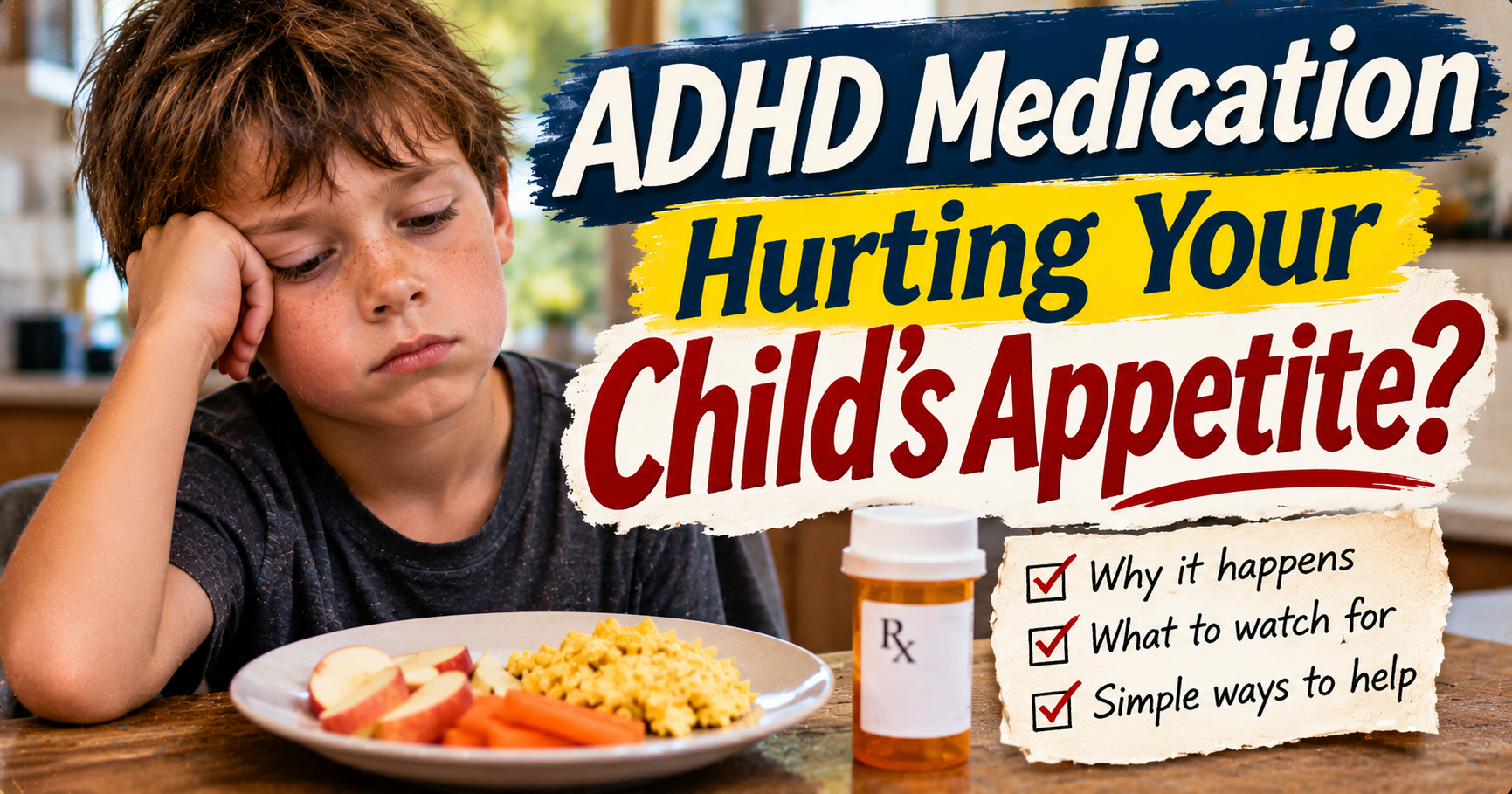
We recently discussed this in our article about why children sometimes lose their appetite on ADHD medication.
Sometimes understanding the whole day is more useful than focusing only on the moment a child became upset.
What Happened When We Tried Different ADHD Medications With Our Son?
This is where I can speak from our family’s actual experience.
Our son’s medication journey began in 2024, and we’ve worked through multiple medications and dose changes since then.
Some treatments provided little noticeable improvement.
Others were associated with behavioral reactions that were difficult for us to watch as parents.
I want to be careful about how I describe these experiences.
We can document what we observed during a medication trial, but that doesn’t always prove the medication caused every behavior.
Our Experience With Adderall
Our medication history includes a trial of Adderall 5 mg extended-release medication beginning in October 2024.
Our notes described that initial dose as ineffective.
In December 2024, his dose was increased to 10 mg.
During that trial, we documented irritability, defiant behavior, sadness, and episodes in which he hit himself in the head when upset.
Those were concerning behaviors, especially in such a young child.
They became part of the information we needed to share with his treating clinician.
Our Experience With Quillivant XR
In May 2025, our son began a trial of Quillivant XR.
During that period, we documented unusual and upsetting thoughts.
He questioned whether we were his real parents and expressed fear that we might leave him.
Those experiences were especially concerning because our son already struggles with anxiety and not wanting to be alone.
We couldn’t simply assume the medication was responsible for everything, but the timing was important information to record.
Our Experience With Focalin
In June 2025, we tried Focalin extended-release medication.
Our notes described severe emotional outbursts, frequent crying, and our son saying that he couldn’t control himself.
One episode became serious enough that we had to physically intervene to prevent him from hurting himself.
That’s not something any parent wants to experience.
And it’s certainly not something I would tell another family to simply wait out without medical guidance.
Severe behavioral changes, self-injury, or unusual thoughts require prompt professional assessment.
Why We’re Sharing These Experiences
I don’t want another parent reading this and assuming Adderall, Quillivant XR, or Focalin will cause the same reactions in their child.
Many children benefit from these medications.
Our experience is one child’s history, not a prediction of how someone else’s child will respond.
But I do think parents deserve to hear about the difficult side of medication trials, too.
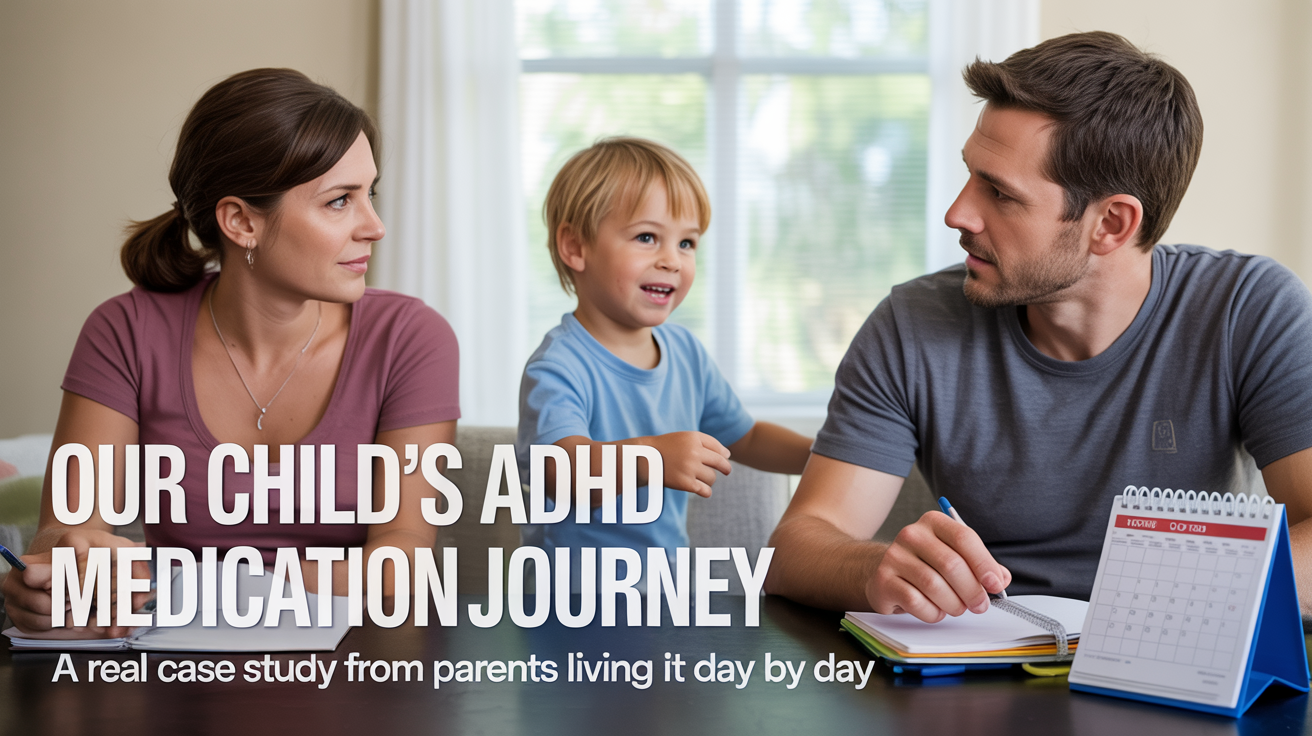
We’ve documented the medication names, dates, observations, and changes in our child’s ongoing ADHD medication case study.
That article is where we keep the detailed history rather than trying to squeeze every medication update into one general guide.
How Can I Tell Whether ADHD Medication Is Helping or Making Things Worse?
This is probably one of the hardest questions parents face during ADHD treatment.
You might notice that your child focuses better at school but seems more irritable at home.
Or perhaps their hyperactivity improves, but their sleep becomes difficult.
Sometimes the improvement is noticeable.
Other times, you’re left wondering whether anything has changed.
Look at More Than One Symptom
Medication effectiveness shouldn’t be judged by focus alone.
Consider how your child is doing across several areas.
- Attention: Are they having an easier time following instructions or completing schoolwork?
- Emotional regulation: Are outbursts becoming less frequent, more frequent, or staying about the same?
- Sleep: Are they falling asleep and staying asleep reasonably well?
- Appetite: Are they eating enough and maintaining appropriate growth?
- School functioning: What changes have teachers noticed?
- Relationships: Are interactions with family members and classmates improving?
- Overall well-being: Does your child seem comfortable, engaged, and able to enjoy ordinary activities?
A medication may improve one symptom while creating problems in another area.
That doesn’t automatically mean treatment has failed.
It means the benefits and side effects need to be evaluated together.
Ask Teachers for Specific Feedback
Teachers can provide information parents don’t always see.
Instead of asking only whether your child had a good day, consider asking whether they completed more work, needed fewer reminders, or experienced unusual emotional reactions.
Specific observations are easier to compare over time.
And if school behavior improves while home behavior becomes more difficult, that’s important information for the clinician.
What Should Parents Do When ADHD Medication Causes Anger?
The first step is to take the behavior seriously without immediately assuming you know what’s causing it.
If your child becomes unusually irritable after starting medication or changing the dose, contact the prescribing clinician.
Describe exactly what you’re seeing.
Don’t simply say, “He’s acting bad.”
Explain when the behavior began, how severe it is, and whether anything else changed.
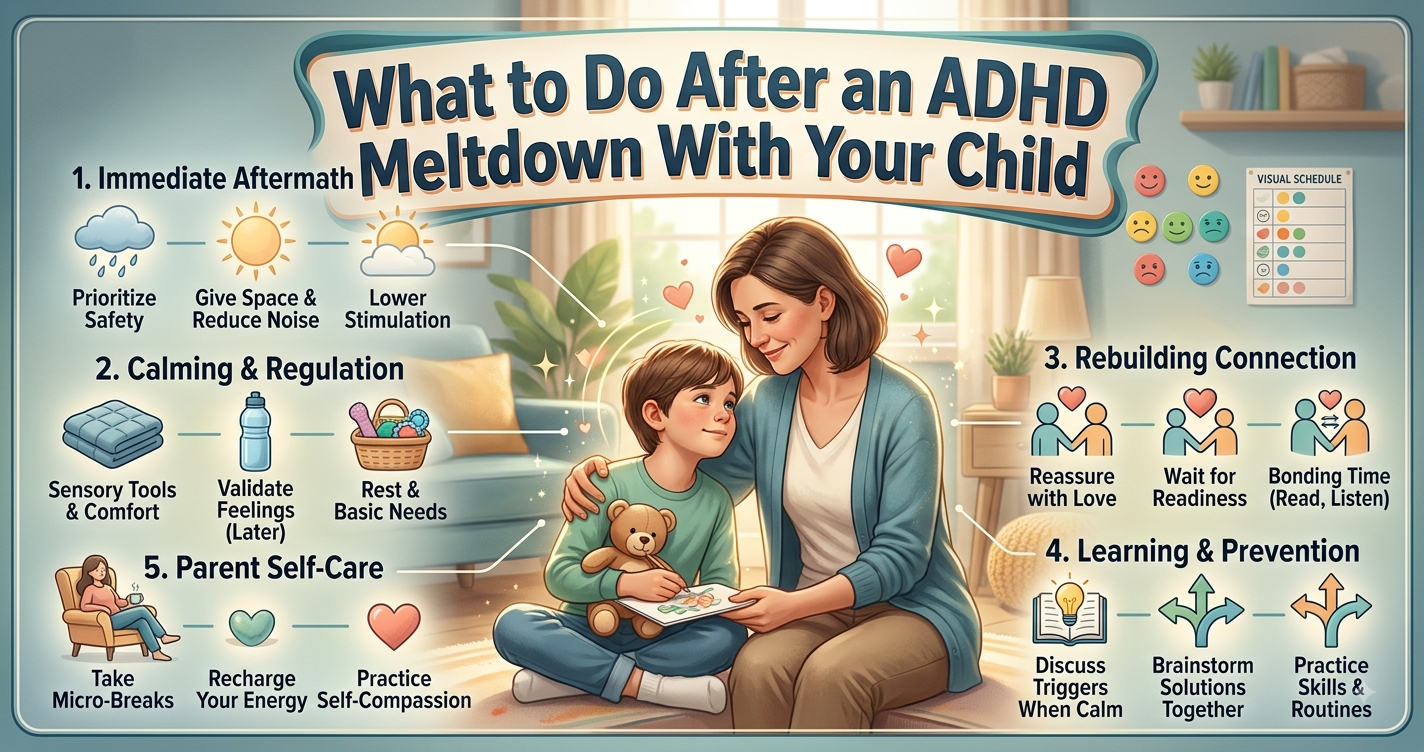
What to Do During an Angry Outburst
When a child is already extremely upset, a long explanation usually isn’t the most helpful starting point.
Instead, focus on safety and calming the situation.
- Keep your voice calm. Avoid escalating the argument.
- Reduce unnecessary demands. If possible, postpone nonurgent tasks until your child is calmer.
- Maintain clear boundaries. Anger is understandable, but hurting people or damaging property isn’t acceptable.
- Give appropriate space or reassurance. Some children want a parent nearby, while others need a quieter environment.
- Record what happened afterward. Note the timing and any possible contributing factors.
- Contact the prescriber when behavior is new, severe, or worsening. Don’t wait for a routine visit if you’re concerned.
If your child is at immediate risk of seriously harming themselves or someone else, seek emergency help.
What About Changing the Medication?
Sometimes a prescriber may consider adjusting the dose, changing the timing, or trying a different medication.
Those decisions depend on the child and the suspected cause of the behavior.
Parents shouldn’t independently change the dose, add extra medication, or stop a prescribed treatment without appropriate medical guidance.
For serious or unusual reactions, contact the clinician promptly for instructions before the next dose.
Can Anxiety Make ADHD Medication Anger Worse?
Anxiety is another important piece of this discussion.
Children can have ADHD and anxiety at the same time.
An anxious child might become irritable when overwhelmed, frightened, or uncertain.
Sometimes that behavior can look similar to an ADHD-related emotional outburst.
Why This Matters for Our Family
Our son struggles with anxiety as well as ADHD.
One of his challenges is not liking to be alone.
That means we have to consider more than his attention and hyperactivity when evaluating his behavior.
We also have to think about what might be worrying him.
For example, a child who becomes upset when a parent leaves the room may be experiencing fear rather than simply refusing to cooperate.
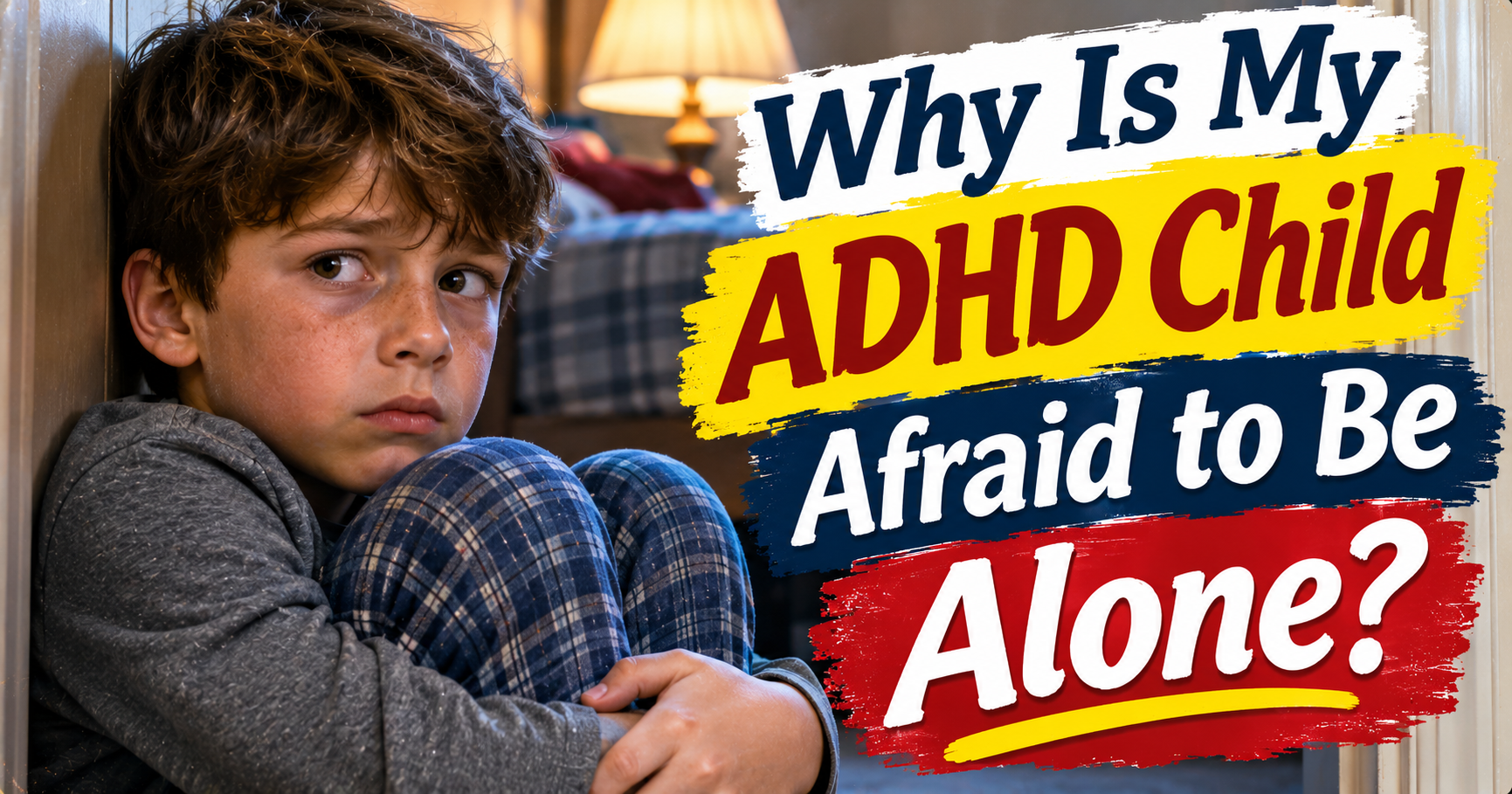
We’ve discussed that distinction in our article about why some children with ADHD are afraid to be alone.
When Several Problems Overlap
ADHD, anxiety, sleep difficulties, and medication side effects can all affect behavior.
Sometimes more than one issue is present.
That’s why professional evaluation matters, especially when a child’s behavior changes significantly.
The goal isn’t to label every reaction.
It’s to understand what the child is experiencing and find appropriate support.
Common Questions About ADHD Medication and Anger
Can Vyvanse Make a Child Angry?
Vyvanse can cause irritability or mood changes in some children.
However, anger while taking Vyvanse doesn’t automatically mean the medication caused it.
The timing, severity, and other symptoms should be discussed with the prescriber.
Can Adderall Cause Aggression in Kids?
Some children experience irritability or behavioral changes while taking Adderall.
Aggressive behavior or serious mood changes deserve prompt medical evaluation, especially when they appear after starting treatment or changing the dose.
Why Does My Child Get Angry When ADHD Medication Wears Off?
Some children experience stimulant rebound as medication effects decrease.
This can involve irritability, increased activity, or emotional outbursts.
However, hunger, exhaustion, anxiety, and other factors can produce similar behavior.
Does ADHD Medication Rebound Happen Every Day?
Not necessarily.
Some children experience a repeated pattern, while others have occasional difficult periods or no rebound symptoms at all.
Tracking when the behavior occurs can help the clinician evaluate whether rebound is likely.
Can ADHD Medication Make a Child Cry More?
Yes, increased tearfulness or emotional sensitivity can occur with some ADHD medications.
If crying becomes unusual, persistent, or severe, contact the prescribing clinician.
Should I Stop My Child’s ADHD Medication if They’re Angry?
Don’t make medication changes independently.
Contact the prescribing clinician promptly, especially if the anger is new or worsening.
Severe behavioral changes, self-harm, or unusual thoughts require urgent assessment. Follow emergency guidance if anyone is in immediate danger.
Can ADHD Medication Make Anxiety Worse?
Some children experience increased anxiety or nervousness with certain medications, while others experience improved functioning that reduces stress.
The response varies.
A clinician can help determine whether anxiety is related to medication, a co-occurring condition, or another factor.
Will My Child Eventually Find an ADHD Medication That Works?
Many children benefit from ADHD treatment, but finding the right medication and dose can take time.
Some need different formulations or nonstimulant options.
Others benefit from additional behavioral, educational, or mental health support.
There isn’t a guaranteed medication that works perfectly for every child.
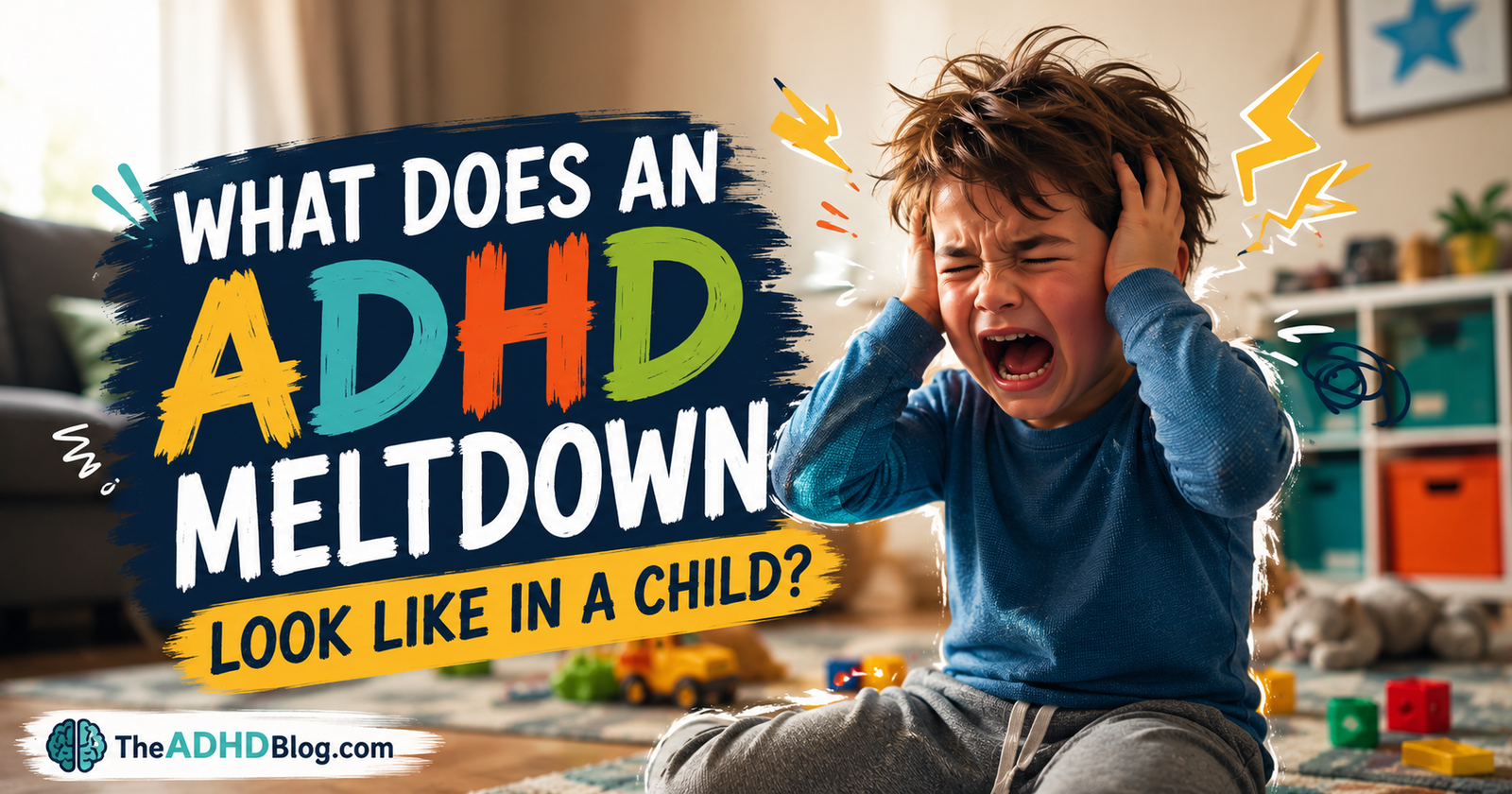
What We’ve Learned From Our Son’s ADHD Medication Journey
If there’s one thing my wife and I have learned, it’s that treating childhood ADHD can be far more complicated than simply finding a medicine that improves focus.
We want our son to do well in school.
We want him to feel comfortable, manage frustration, sleep well, and enjoy being a kid.
And we want to know that the treatments we’re using are helping more than they’re hurting.
Some of our medication trials have been disappointing.
Others have involved emotional reactions that were genuinely concerning.
But we’re continuing to work with his mental health doctor because his ADHD still affects his life significantly.
I think parents deserve realistic information about those challenges.
Not scary stories that make every medication sound dangerous.
And not promises that finding the right prescription will suddenly fix everything.
If ADHD medication seems to be making your child angry, pay attention to the pattern, document what you’re seeing, and talk with the clinician responsible for their treatment.
Your child’s emotional well-being matters just as much as their ability to sit still or finish schoolwork.
We’ll continue sharing what we learn right here on The ADHD Blog, along with the experiences that don’t always fit neatly into a doctor’s appointment.
And if you’d like to follow our family’s ongoing ADHD journey, you’re welcome to connect with us on Facebook.
We’re still figuring things out, too.